
WASHINGTON, D.C. – The United States carried out overnight military strikes in Venezuela and has taken President Nicolás Maduro into custody, U.S. officials said early Saturday, marking a dramatic escalation in U.S.–Venezuela relations and setting off global reverberations that could reach as far as Kansas.
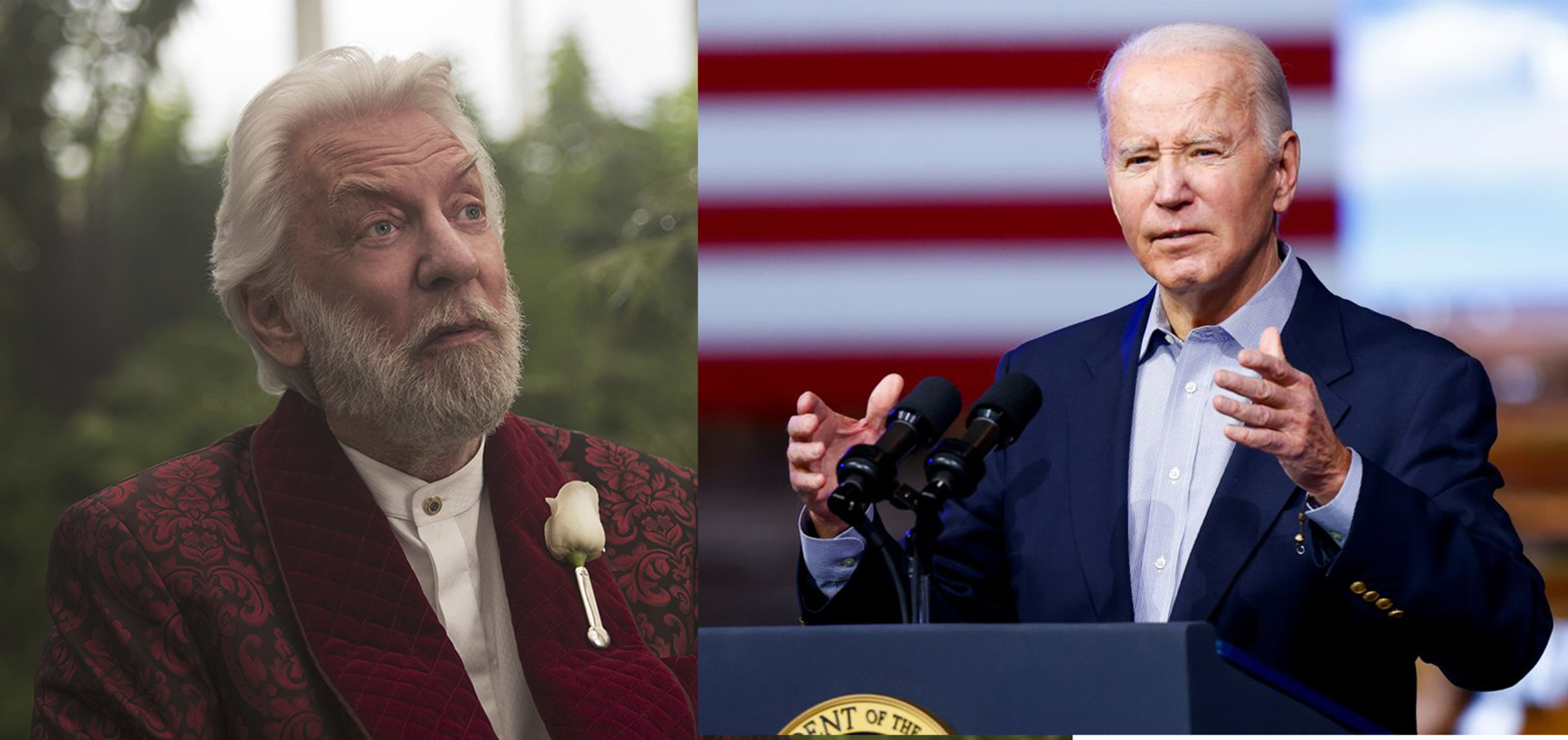
President Donald Trump announced the operation early Saturday, saying U.S. forces captured Maduro and his wife, Cilia Flores, and removed them from Venezuela. International news organizations reported explosions and heavy military activity in and around Caracas before dawn, while residents described confusion and fear as security forces flooded the streets.
Key allegations against Maduro and the legal mechanics of his capture and prosecution were detailed Saturday by legal analysts across the Internet U.S. prosecutors allege that Maduro and his co-conspirators presided over and exercised operational control of a vast drug-trafficking enterprise that used state authority to protect and advance narcotics shipments bound for the United States. Lawyer Montly (Lawyer Monthly+1) said this is framed under U.S. narco-terrorism statutes that allow prosecution of individuals who materially support terrorism through drug trafficking. The indictment claims Maduro and others used Venezuela’s institutions and military to facilitate the movement of cocaine into the United States, leveraging political and armed forces to protect shipments from law enforcement.

The indictiment also includes alleged conspiracy to possess machineguns and destructive devices, reflecting claims that firearms and militarized assets were used in support of the criminal enterprise (as reported by prosecutors). Prosecutors describe Maduro at the “forefront of that corruption,” using the power of his presidency and allied institutions to enrich himself and benefit violent narco-terrorist groups, including the so-called Cartel de los Soles.
Legal and Strategic Context.The indictment builds on earlier U.S. cases against Maduro and other Venezuelan officials, where the regime was accused of functioning as a narco-state supplying large quantities of cocaine to the U.S. market, often in cooperation with violent armed groups. By unsealing the charges after Maduro’s capture, said Lawyer Monthly, U.S. authorities now have a defendant in custody whose alleged criminal conduct can be prosecuted in federal court—an unusual and high-profile application of U.S. law to a foreign head of state.
Oil infrastructure intact, but markets unsettled. Despite the scale of the operation, Venezuela’s state-run oil company, PDVSA, reported no immediate damage to major oil production or refining facilities, according to sources cited by Reuters. Damage was reported near the port of La Guaira, a key shipping hub, raising questions about exports and insurance costs for tankers operating in the region.
Energy analysts told Reuters that even when physical oil production is not disrupted, geopolitical shocks can cause short-term price volatility as traders reassess risk. That volatility could be felt quickly in Kansas.
Analysts eyeing fuel prices and freight costs. Kansas agriculture and transportation sectors are highly sensitive to diesel prices, particularly during planting, harvest, and livestock hauling seasons. Any sustained increase in crude oil prices could translate into higher fuel and freight costs for farmers, grain elevators, feedyards, and rural commuters, according to Kansas State University agricultural economists, who have long warned that fuel price swings directly affect farm margins.
“Even short-term price spikes matter when you’re moving grain or cattle every day,” Nashville-based Standard Grain owner Joe Vaclavik told Farm Journal in a November podcast.
Ethanol: possible upside for Kansas producers
Ethanol: possible upside for Kansas producers: Kansas is a major ethanol-producing state, and higher gasoline prices can sometimes improve ethanol blending economics, potentially benefiting Kansas ethanol plants. Industry analysts note, however, that ethanol producers also face higher natural gas and electricity costs during extended energy market disruptions. Since the country’s oil infrastructure is reported to remain funcitonal, the full implications of those impacts remain unknown.
Agricultural markets and exports: Kansas does not trade heavily with Venezuela directly, but global uncertainty can influence commodity futures, including wheat, corn, and soybeans. Analysts told Reuters that geopolitical shocks often lead to sharp but uneven moves in agricultural markets as investors seek safe assets or hedge risk. Local grain buyers say that kind of market “whiplash” can affect cash prices and basis levels in Kansas, even when the underlying fundamentals remain unchanged.
The main impact on U.S. domestic ag markets may be the re-establishment of food production and security for the Venezuelan people. Venezuela’s food security was crippled in recent years by a perfect storm of hyperinflation, economic collapse due to oil dependency and mismanagement through nationalizations price controls and political instability. U.S. sanctions and climate shocks also compounded severe food shortages, high prices, and reliance on inconsistent imports, making even basic staples unaffordable for most families.
Immigration and labor considerations. Kansas communities with large immigrant workforces, particularly in meatpacking, construction, and service industries, have previously experienced labor impacts tied to federal enforcement or international humanitarian policy changes. Some analysts have warned that if Venezuela enters a prolonged period of instability, migration pressures could increase as they did with several central and south American countries during periods of political flux. With the tightening of the southern U.S. border under the Trump Administration federal immigration policy responses, rather than immediate arrivals, could shape any Kansas impact.

Political reaction from expected sectors in Kansas. The capture of a foreign head of state by U.S. forces is expected to spark intense political debate among the “hate Trump” political contingent regarding international law, and the costs of foreign intervention – dialogue which will no doubt be embraced by Kansas’ “blue” university towns and handful of Democrat strongholds. Kansas lawmakers in the Republican-dominated, generally pro-Trump legislative districts are unlikely to face questions from constituents about the raid unless there’s a sharp impact on gas prices, some state Republicans have noted.
Situation remains fluid. Venezuelan officials have demanded proof of life for Maduro, while international leaders in Latin America, Europe, and Russia have issued sharply divided responses, according to Reuters. Markets and governments worldwide are now watching closely to see whether Venezuela stabilizes quickly or enters a prolonged period of unrest.
For Kansas, analysts say, the biggest question is how long the disruption lasts.
“If this is short and contained, the effects will be limited,” Saul Kavonic, an energy analyst at Australia’s MST Marquee, told Reuters.

Dane Hicks is a graduate of the University of Missouri School of Journalism and the United States Marine Corps Officer Candidate School at Quantico, VA. He is the author of novels "The Skinning Tree" and "A Whisper For Help." As publisher of the Anderson County Review in Garnett, KS., he is a recipient of the Kansas Press Association's Boyd Community Service Award as well as more than 60 awards for excellence in news, editorial and photography.