
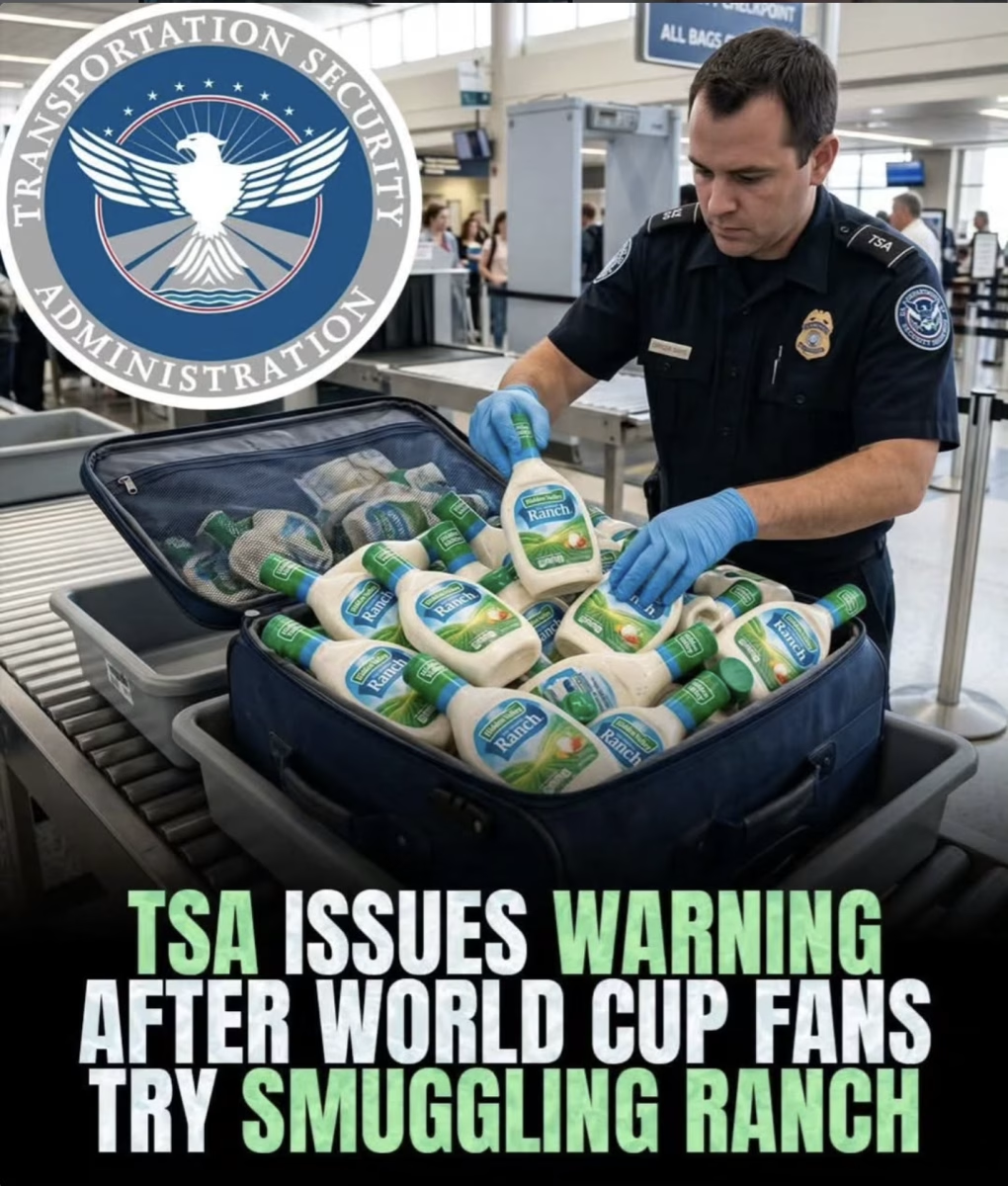
Just a meme. This never happened. Probably…
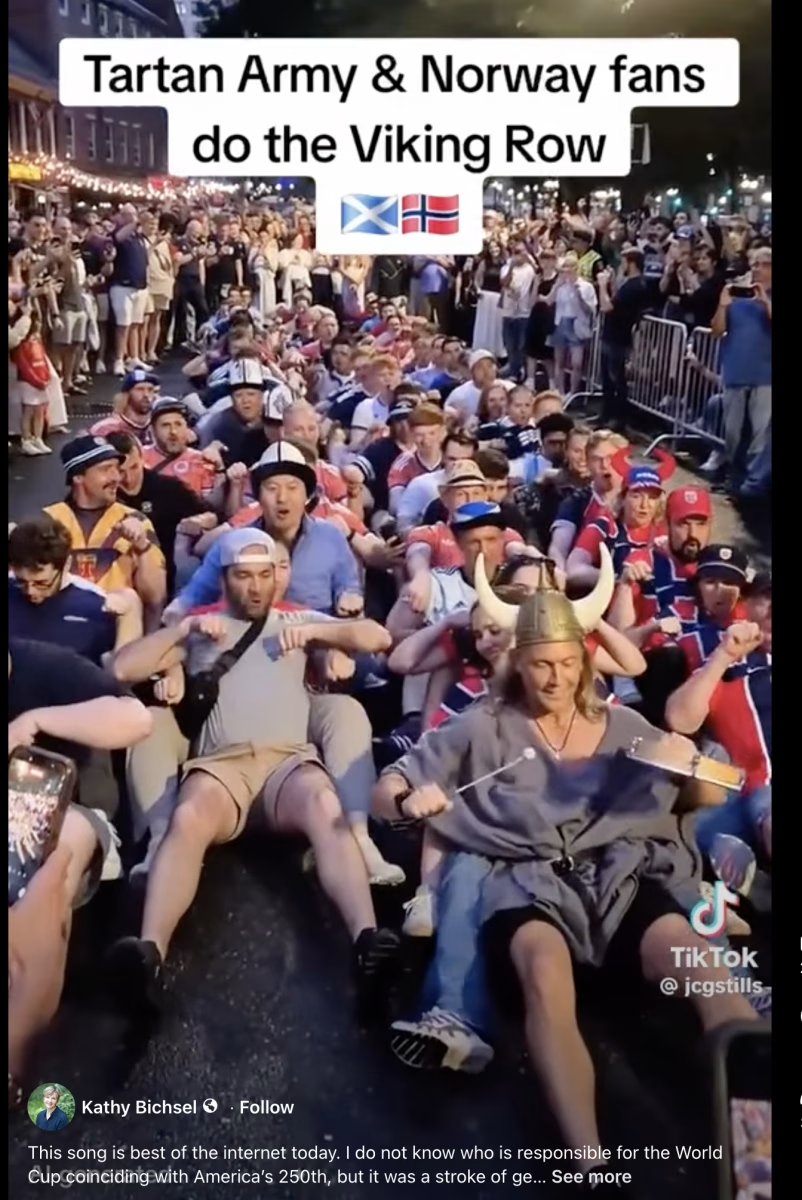
How fitting during the summer of our 250th birthday that thousands of foreign soccer fans have poured into the United States to vociferously proclaim America ain’t so bad after all.
They weren’t expecting much, as instructed by global and U.S. mainstream media messaging: Trump’s a tyrant and war monger; Americans are arrogant and self-absorbed bigots and there’s nothing but ignorant hillbillies in the flyover states between New York and Los Angeles.
Instead, many have encountered an America they didn’t expect. They’ve marveled at 24-hour stores, enormous supermarkets, free drink refills, generous restaurant portions and a peculiarly American culinary institution called “ranch dressing.” More significantly, they have talked about friendly strangers, helpful police officers and communities genuinely pleased to welcome them.
“Qu’est-ce que?”
Reuters reported that social media has filled with accounts from foreign fans discovering not merely American excess, but “a warm welcome from Americans.” Visitors who arrived skeptical have found a country more open, cheerful and hospitable than its Davos-stained international reputation suggested. Other reports have described foreign tourists praising the friendliness of Americans in cities not always known for their warmth. Some have received free meals, directions and spontaneous assistance from complete strangers.
Their excitement over our ordinary life has been amusing, but it’s also instructive. Looking back a few days on the 250th anniversary of the Declaration of Independence, it seems odd to imagine we needed foreigners to remind us what we have and who we are. Unlike us, they’re looking at America with the fresh eyes of wonder.
That makes the contrast with a growing movement inside our own country even more revealing. At the very moment foreign visitors are discovering America’s virtues, self-described “Democratic Docialists” (read “communists”) are winning Democrat Party primaries and gaining influence in New York and other major cities. Pockets of these malcontents, jealous because they’ve either failed at the American Dream or who’ve chosen simply not to really recognize it, have voted victories and strengthened a political faction that openly challenges capitalism and advocates greater government control of society. They rally against the very institutions that made America successful and have amazed visiting foreigners: private property, free enterprise, individual responsibility, local control, public order and limited government.
It all raises an unavoidable question on our nation’s 250th birthday: How did a country with such an extraordinary record inspire so much contempt among some of the people who have benefited most from it? The nation which by civil war righted its own emersion in slavery and black oppression; denied then granted women the right to vote; saved the world from facism and Nazism and grew a domestic welfare system second to none in the world – is apparently now so dastardly it should be scrubbed and replaced with the same collectivism that has failed its every trial?
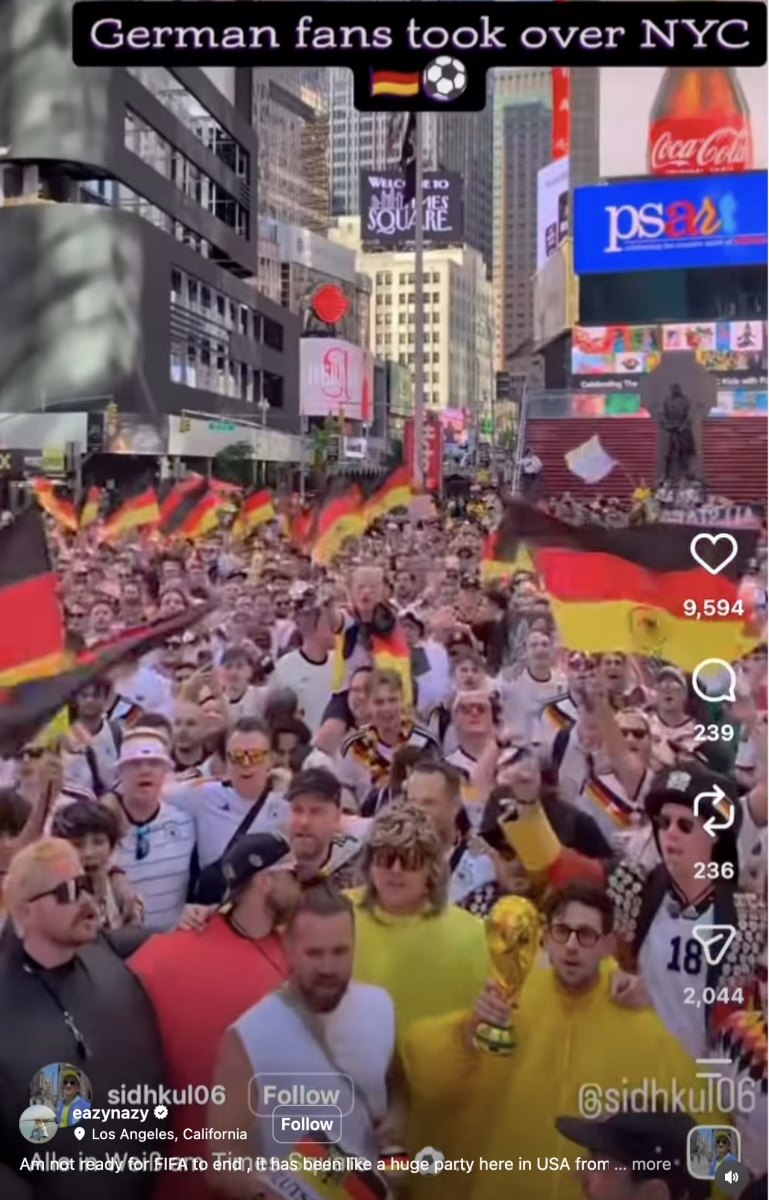
https://www.instagram.com/p/DZzbbXhM6Dj
America became the most powerful and prosperous nation in history not because Americans were inherently better people, but because the American system gave ordinary people unusual freedom to own property, start businesses, practice their faith, speak their minds, form associans and keep much of what they earned. Foreign visitors often compare America with the actual countries and systions, invent products and tems they know; domestic radicals compare America with an imaginary utopia that has never existed.
For 250 years, people have risked their lives to reach these shores. They did not come because America promised equality of outcome, government ownership or freedom from every hardship. They came because America offered the chance to build a life that belonged to them.
That’s why the foreign soccer fan standing in amazement inside an American supermarket understands this nation better than some of us who live here.