
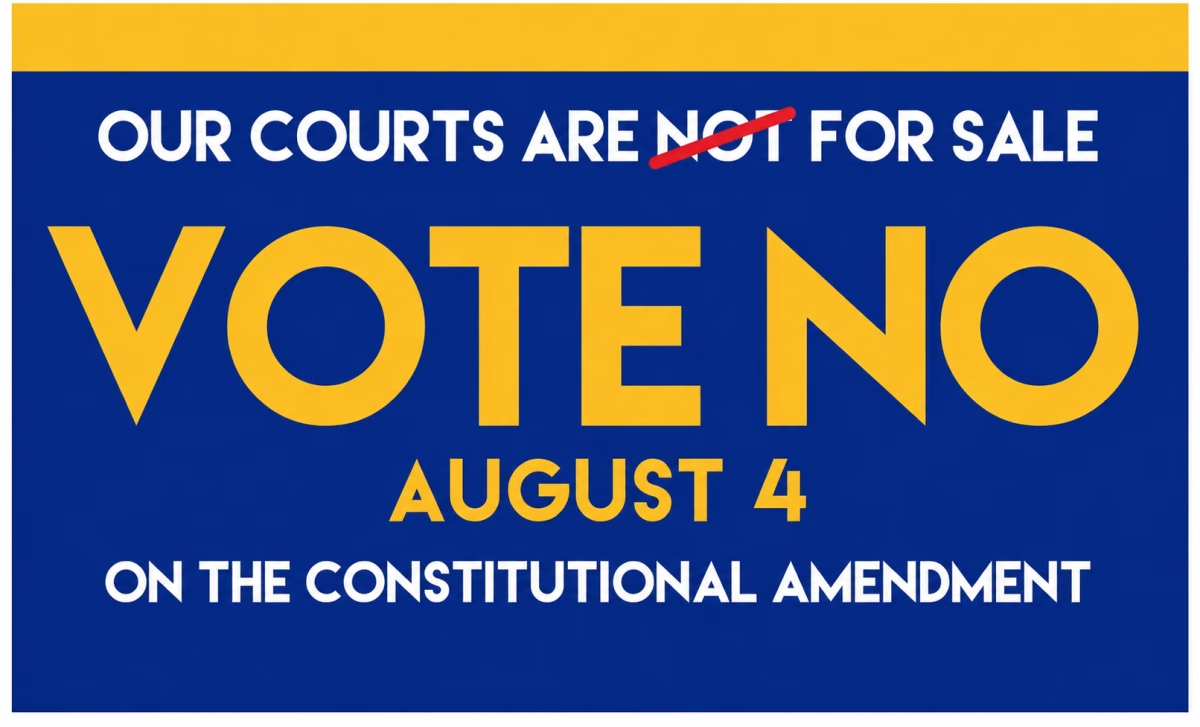
NEW YORK – Torrents of cash from New York, D.C., and other states fire-hosed into Kansas earlier this month with a 4 to 1 advantage to convince Sunflower State voters they didn’t want a voice in selecting their own state supreme court justices.
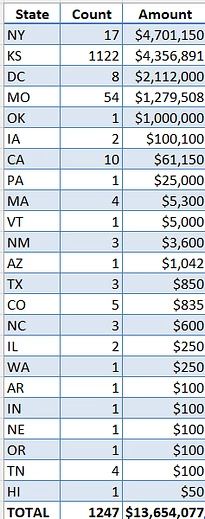
A review of political donations on both sides of the August 4 Constitutional Amemdment vote shows those favoring the closed-ranks selection system raised four times as much as amendment supporters, with less than one-third of those contributions coming from Kansas. The numbers reveal the staggering level of financial capital committed to the Kansas vote by left-leaning political organizations and wealthy donors, ultimately convinced Kansans 61-39 percent to give up their voice in the judiciary.
Earl Glynn, an Olathe researcher who publishes the Watchdog Lab Substack, followed the campaign-finance trail after the election.
“Does huge spending by those opposing the amendment compared to those supporting the amendment explain the referendum results?” Glynn asked.
Glynn’s research doesn’t establish that money alone caused the 22-point defeat, but the size of the financial advantage enjoyed by opponents is difficult to ignore; particularly since saving Kansas elections from “corrupt billionaires” seeking to control Kansas courts was a driving point of the opposition campaign.
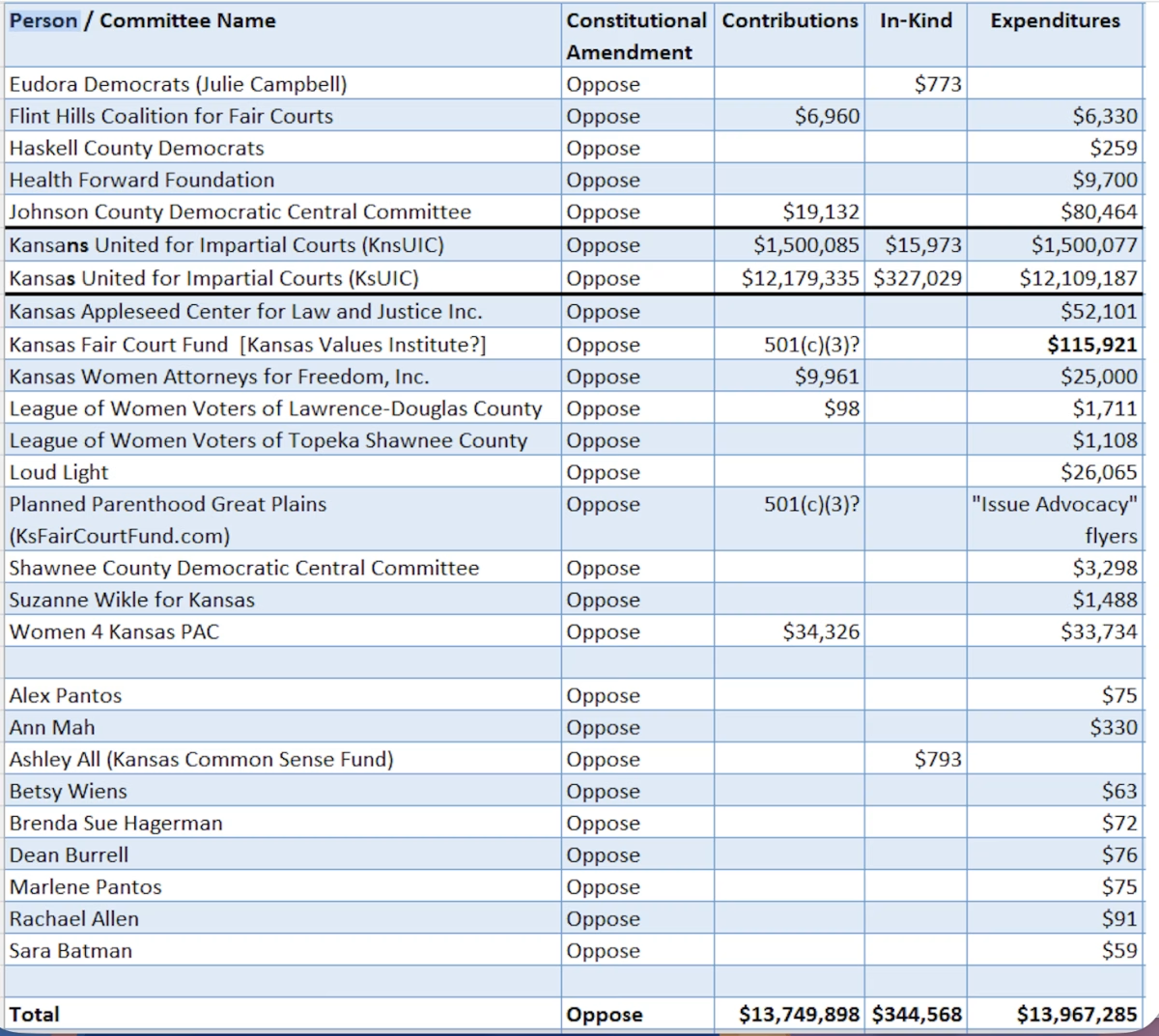
According to Glynn’s analysis of reports filed with Kansas campaign-finance authorities, opponents raised approximately $13.7 million, compared with only about $3.4 million raised by supporters. The spending advantage was about 2.8-to-1, while opponents held what Glynn described as a “huge 29.5-to-1 advantage” in in-kind contributions.
Even more striking is where the money came from.
Just 31.9% of contributions came from Kansas sources, Glynn reported. New York alone accounted for 34.4% — more than Kansas itself. Contributions from Washington, D.C., Missouri and Oklahoma combined accounted for another 32.2%.
The dominant opposition organization was Kansas/Kansans United for Impartial Courts, operating through two similarly named Kansas entities. The organizations share directors connected with the Kansas Values Institute, American Civil Liberties Union (ACLU) of Kansas and Planned Parenthood Great Plains. Glynn found that the two KUIC entities received approximately $13.7 million between them — $1.5 million raised primarily in 2025 and $12.2 million raised in the seven months leading up to the election in 2026.
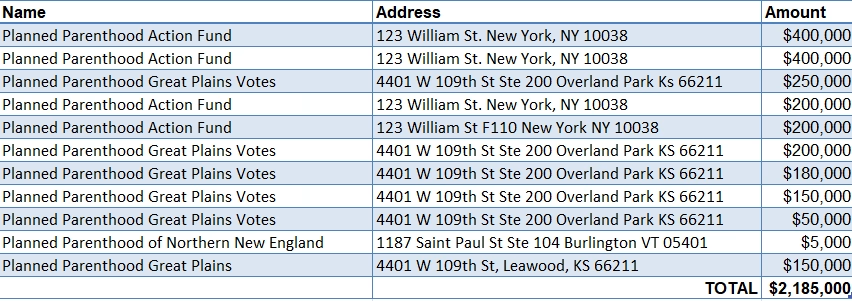
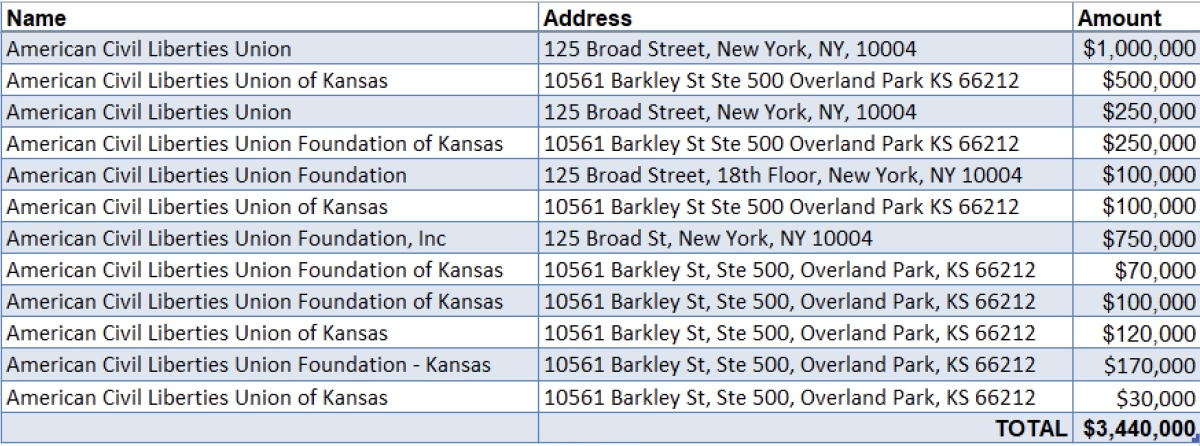
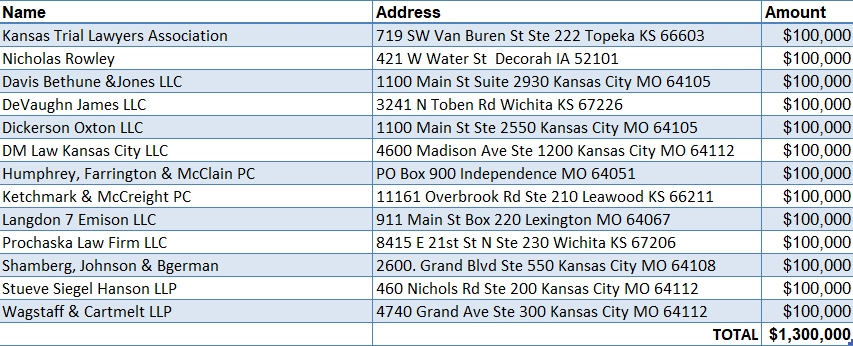
Among the largest sources identified in Glynn’s review were ACLU organizations, which contributed a combined $3.4 million, including money associated with two national organizations based in New York. Planned Parenthood organizations accounted for another $2.2 million. Lawyers and law-related organizations making contributions of $100,000 or more accounted for approximately $1.3 million.
There were also three $1 million donors. Glynn identified former New York City Mayor and billionaire Michael Bloomberg among that group and reported another $1 million contribution from Tulsa-based Samson Energy Company LLC.
Other major contributors included the Fairness Project at $950,000; Kansas Values Institute at $716,000; a nonprofit associated with George Soros at $400,000; Health Forward Foundation at $175,000; and Global Impact Social Welfare Fund at $150,000.
The Fairness Project is particularly noteworthy because it operates nationally in ballot-measure campaigns. Glynn cited a description once used by the progressive Sixteen Thirty Fund saying the organization helps place “progressive issues on the ballot” to advance health care and social, racial and economic justice.
The Kansas amendment was broadly viewed by abortion proponents as an effort by conservatives to elect Pro-Life judges to the court, in hopes of overturning a 2019 decision in which the court ruled, without evidence, that the Kansas constitution protects the right to abortion. The ruling spawned a massive increase in Kansas “abortion tourism,” with just over 3,300 out-of-state women seeking the procedure in Kansas in 2019 to more than 15,000 in 2024.
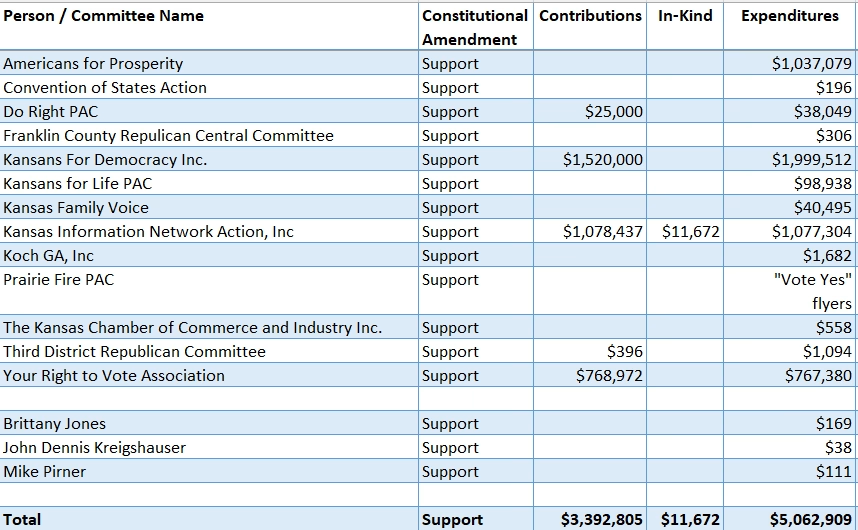
Altogether, Glynn said current reports show roughly $19 million spent by both sides in the Aug. 4 referendum, with about $17.1 million reported as raised. Constitutional amendment reporting rules differ from ordinary candidate campaign-finance reporting, he noted, which can result in reported expenditures exceeding money specifically reported as raised for the measure.
Glynn notes the recent numbers aren’t the finaly tally on the campaign. Final 2026 receipts-and-expenditures reports are not due until Feb. 15, 2027.
Source: Earl F. Glynn, Watchdog Lab, “Kansas constitutional amendment opponents raised more funds than supporters by 4-to-1,” Aug. 28, 2026. Glynn’s analysis draws from Kansas campaign-finance disclosure reports and the Kansas Secretary of State’s Campaign Finance Viewer.