
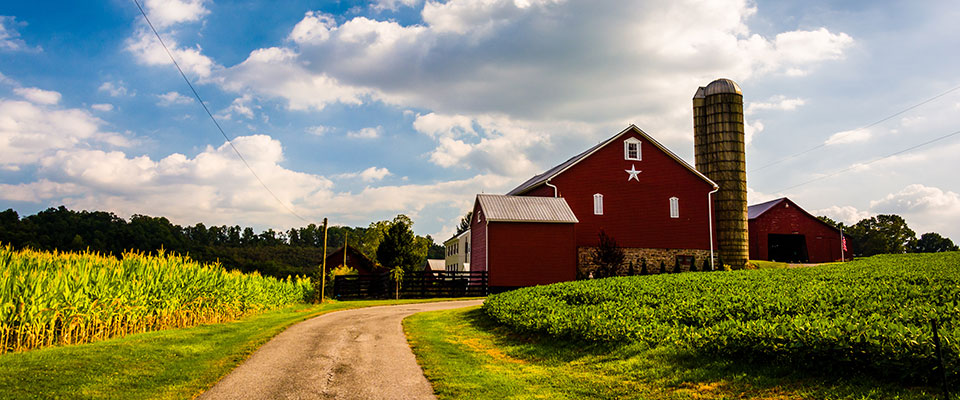
K-State Research & Extension photo
Growing up in Kansas, you learn early that agriculture is not a job. It is a life. Youvdepend on the things you cannot control, like the weather and global markets, and youvdo your best to manage the things you can. But in recent years, even the areas wherever farmers usually have some control have been taken away by decisions made far fromvthe fields. One of the most damaging examples is what many refer to as the Biden Farm Tax.
Back in 2021, the previous administration imposed countervailing duties on vital fertilizer imports, especially phosphate. These duties were meant to target foreign competitors, but that is not what happened on the ground.
What actually happened is that farmers here in Kansas have faced some of the steepest input prices we have ever seen. You cannot raise crops without fertilizer. You cannot grow strong wheat, sorghum, or corn if your soil does not have what it needs.

When fertilizer doubles or even triples in cost, there is no way to absorb that hit without changing the way you farm or pushing those costs downstream. The price per ton for the fertilizer we depend on has climbed to unprecedented levels. It is not just high, it is punishing. The Biden Farm Tax has increased Kansas phosphate fertilizer prices 34%, gutting farmers’ corn/wheat margins 2-8% and messing with their planting. Kansas farmers are being forced to make impossible decisions on whether to cut applications, shift acreage, or plant less, simply hoping for the best. This is not the result of bad weather or a global shortage beyond our control. It is the direct outcome of a policy decision made in Washington that restricted our supply of affordable input.
It is a government-imposed cost on one of the most essential parts of raising a crop. And even though the administration that imposed it has left office, the policy remains in effect, and its damage continues to ripple through rural communities. Kansas Ag is suffering, and it is causing statewide food costs to soar, CPI up 14.6%, from farm-to-table.
In that context, the Trump Administration’s recent move to reduce the scope of reciprocal tariffs on certain agricultural products is a welcome step in the right direction. Rolling back unnecessary trade barriers that raise costs for farmers is smart policy, and this decision proves that Trump’s Washington firmly stands behind Middle America. But while this action provides a meaningful first step, it does not fix the core problem that continues to hit farmers hardest. The only way to ensure long-term affordability is to fully unwind the Biden-era countervailing duties on agricultural input products.
The fertilizer duties are coming up for review in the spring of 2026, which means the next several months will determine whether farmers get relief or brace for even more seasons of unnecessary pressure.What people in Wichita or Kansas City might not see is how fast these costs spread beyond the farm gate. When the prices of fertilizer and input chemicals climb, farm margins tighten immediately. That means less spending with local businesses and fewer dollars circulating in rural towns. Most importantly, consumers across the nation feel the result in their grocery bills. High crop input prices directly translate into higher food prices. It does not matter if you shop at a national chain or a hometown market; when farmers pay more, families pay more.
Meanwhile, other countries like China and Brazil are gaining ground because our own policies are restricting access to products we need. Kansas producers compete on the world stage. We cannot afford to tie our own hands and then wonder why we are falling behind.

Kansas farmers are not alone in recognizing the harm this policy has caused. Farm groups across the country have raised concerns for years about the strain these duties place on producers. Most recently, Senator Chuck Grassley made a clear call for ending the Biden Farm Tax. Farmers in Kansas stand with him on that. It is encouraging to see a lawmaker speak plainly about how misguided this policy has been and how important it is to correct it.
Ending the Biden Farm Tax is not complicated. It does not require a maze of new programs or a long list of conditions. It requires one action: remove the countervailing duties on phosphate and other fertilizer imports that have distorted the market and driven up costs. Let farmers buy from trusted allies at competitive prices. Allow supply and competition to work again.
The duties are up for review next spring, and Congress and the current administration have an opportunity to provide relief before the next planting season. That means acting now, not waiting until farmers are already making decisions about what to plant and what to leave fallow. Kansas towns and Kansas families cannot keep absorbing the fallout.