


The promise of the nonprofit hospital is a simple social contract. In exchange for generous tax exemptions, these institutions are expected to provide a safety net for the most vulnerable. In Kansas, that contract is showing visible strain. A growing body of evidence suggests that several nonprofit hospital systems across the Sunflower State are not providing charity care at levels that justify the scale of the public subsidies they receive. As a mother and small business owner, I see firsthand how rising healthcare costs ripple through family budgets and make it harder for employers like me to offer meaningful coverage to workers who depend on it.
Research has consistently flagged Kansas as part of a broader Midwest pattern where nonprofit hospitals post what it calls a “fair share deficit.” That metric compares how much hospitals receive in tax breaks to how much they spend on free or discounted care for patients in need. In recent rankings, major Kansas systems such as University of Kansas Health System and Ascension Via Christi have had charity care deficits, meaning their estimated tax benefits exceeded the value of their charity care.
The gap becomes clearer when examining what hospitals classify as “community benefit.” Facilities often report millions in spending, yet much of that includes physician training, administrative costs, or research initiatives. Those investments may strengthen the institution, but they do little to help a patient in Wichita struggling to pay an emergency room bill or a rural resident in western Kansas delaying care due to cost. Direct charity care – free or significantly discounted treatment for low-income patients – typically represents only a fraction of these totals. For families trying to make ends meet, that distinction is not academic – it can determine whether they seek care early or wait until a problem becomes a crisis.
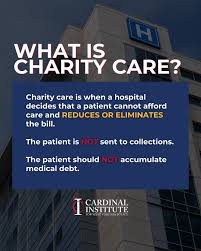
National figures underscore the stakes. According to the Kaiser Family Foundation, nonprofit hospitals collectively receive roughly $28 billion annually in tax exemptions. Kansas’ share amounts to hundreds of millions of dollars when accounting for property, sales, and income tax relief. When hospitals do not return comparable value in charity care, the shortfall shifts to the public. Local governments lose property tax revenue that could support schools, infrastructure, and emergency services, particularly in smaller Kansas communities where hospitals often occupy significant tax-exempt property. That lost revenue matters to small businesses that already shoulder a significant share of the local tax burden.
Evidence also suggests that some nonprofit hospitals pursue patients for unpaid bills using aggressive collection practices. Kansas hospitals have brought lawsuits, wage garnishments, and other legal actions against patients, including some who may have qualified for financial assistance. Patients have experienced inconsistent financial screening processes and limited awareness of available charity care programs. No parent should have to choose between paying a medical bill and keeping food on the table, yet too many Kansas families face exactly that reality.
This situation raises a fundamental accountability question. If a nonprofit hospital operates with executive compensation in the millions, invests heavily in expansion, and functions in many ways like a large corporate system, why are continued access to extensive tax advantages not more closely scrutinized? Small businesses are expected to justify every expense and meet every obligation; it is reasonable to expect the same level of accountability from institutions receiving substantial public support.
Kansas lawmakers should tie tax exemptions more directly to measurable levels of financial assistance provided to low-income patients, creating charity care minimums for nonprofit hospitals across the state. Stronger oversight could ensure that eligible individuals are screened for aid before being subjected to collection actions.
The mission of a nonprofit hospital should center on community health rather than financial growth. Ensuring that mission is fulfilled in Kansas will require clearer data, stronger accountability, and a renewed focus on whether these institutions are meeting the obligations that accompany their tax-exempt status. Kansas families and small businesses deserve a healthcare system that reflects the same values of responsibility and fairness they live by every day.