

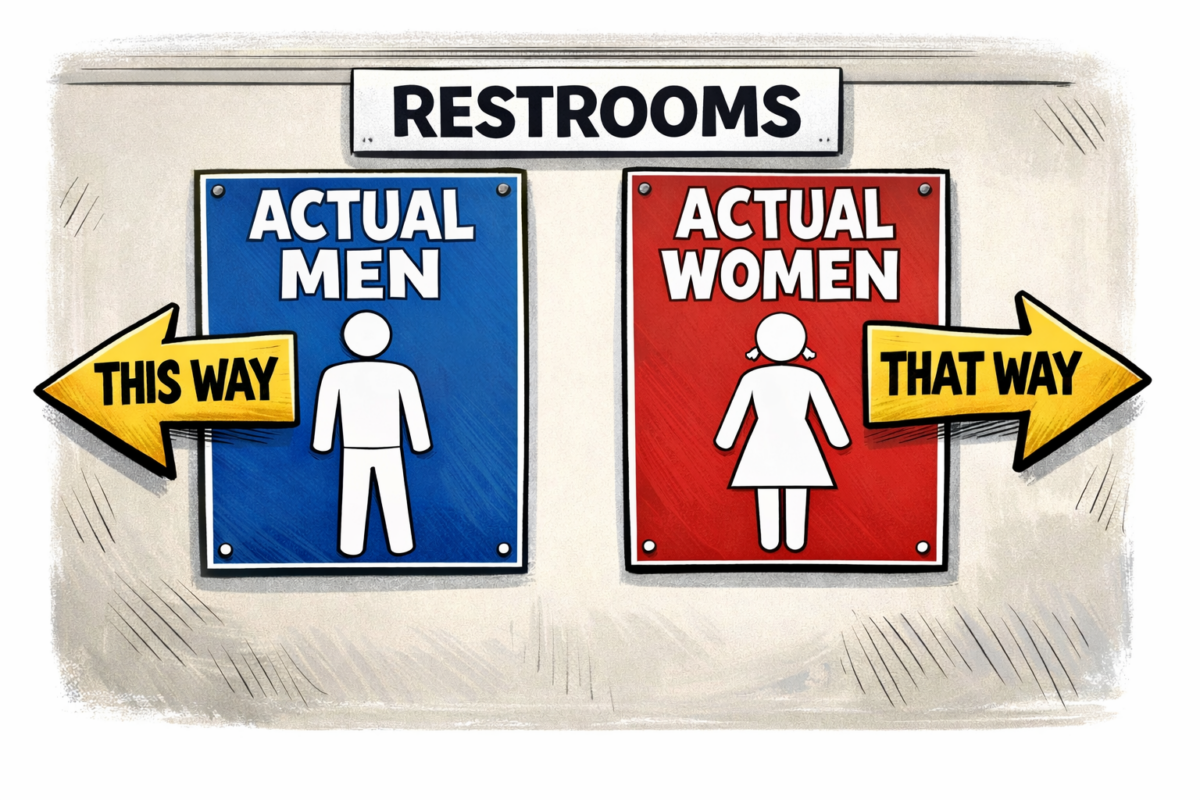
TOPEKA — In a sharply divided vote Tuesday afternoon, the Kansas Senate overrode Democratic Governor Laura Kelly’s veto of Senate Bill 244, a contentious measure restricting access to restrooms, locker rooms and other multi-occupancy facilities in government buildings based on biological sex at birth, moving the legislation one step closer to becoming law despite the governor’s objections.
The override came after the Republican-controlled Senate voted along party lines to overturn Kelly’s veto of the so-called “bathroom bill,” a bill that also would require that a person’s gender marker on their driver’s license and birth certificate match the sex assigned at birth.
Senate President Ty Masterson (R-Andover) lauded the decision, saying Tuesday that the Senate had “restored sanity” and acted to protect safety in public facilities. “Today the Kansas Senate restored sanity and overrode Laura Kelly’s dangerous veto of SB 244,” Masterson said, adding the bill would prevent “our mothers, sisters, wives and daughters” from sharing restrooms with biological men in government buildings.
The Kansas House passed the measure initially with a veto-proof majority.

Gov. Kelly vetoed the bill last Friday, arguing it was “poorly drafted” and would produce unforeseen and “significant consequences” far beyond its stated intent, including situations involving nursing-home visits, shared hospital rooms and college dormitories. In her veto message, Kelly said the Legislature should not dictate how Kansans use bathroom facilities and should instead prioritize affordability and economic issues.
Supporters of the bill have pushed back against the veto, asserting that facilities should be segregated by biological sex for privacy and safety, and that enforcing birth-assigned gender on official documents is integral to the policy.
Democratic lawmakers condemned the override as rushed and overly broad, warning that it may trigger legal challenges and strain community relations. Senate Democratic Leader Dinah Sykes accused supporters of turning the issue into a “culture war” and said it could deter businesses from relocating or expanding in Kansas.
Protests and heated moments marked the Senate chamber as the measure advanced. Witnesses reported outbursts from gallery observers, including a member of the public removed during debate who accused lawmakers of targeting transgender Kansans.
With the veto override in the Senate complete, the bill — if successfully sustained in the House — could become law even without the governor’s signature. Advocates on both sides have signaled that legal challenges are likely. Opponents argue that similar laws in other states have faced litigation and economic backlash, while supporters maintain the Legislature is responding to constituent concerns about privacy in public facilities.