
(TesMag photo)
When Kansas leaders announced a $4 billion electric vehicle battery plant in De Soto in July 2022 and touted the possibility of a semiconductor manufacturing foothold in eastern Kansas, the message was unmistakable. Eastern Kansas was headed for some good times.
“As the largest private investment in Kansas history and one of the largest EV battery manufacturing plants of its kind in the country, this project will be transformative for our state’s economy,” touted Governor Laura Kelly. The deal promised 8,000 high-quality jobs that would “help more Kansans create better lives for themselves and their children,” the governor said.
“Winning this project has shown that Kansas has what it takes to compete on a global scale,” the Governor said, “and that our pro-business climate is driving the technological innovation needed to achieve a more prosperous and sustainable future.”
The early projections were sweeping—thousands of jobs, rapid construction timelines and ripple effects that would extend well beyond Johnson County. A few years later, the projects are real. But the results so far haven’t been what the original promises suggested.
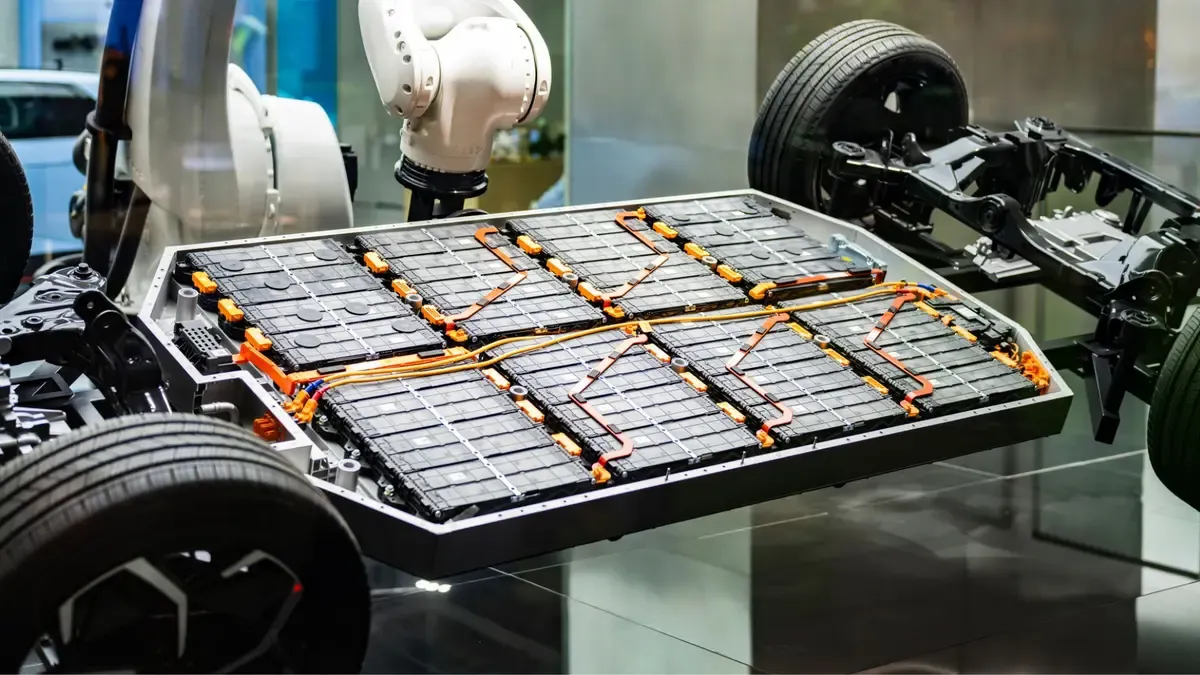
The battery plant operated by Panasonic Energy in De Soto is open and producing lithium-ion batteries, marking the largest private investment in Kansas history. Company officials said at the plant’s launch that the facility would “accelerate U.S. local production” of EV batteries and help meet surging demand.
That demand has not materialized as quickly as expected. In fact, sales of EVs has cooled to the point Ford all but halted production of its 2025 F-150 Lightning.
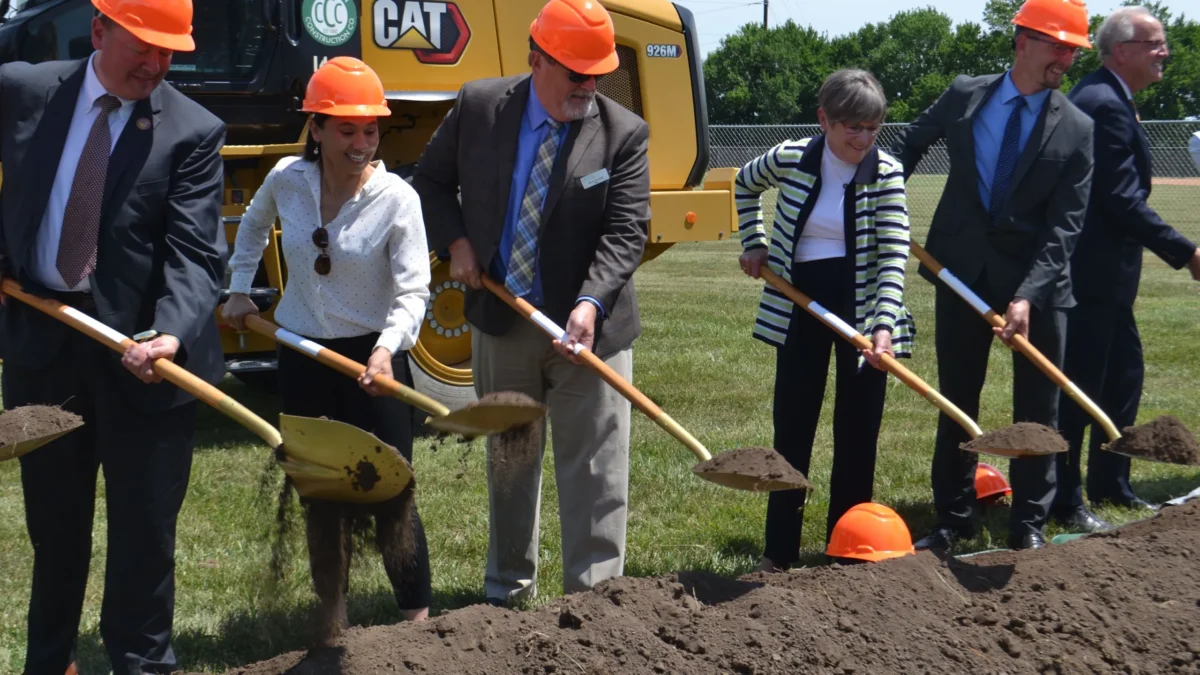
Employment at the plant has climbed into the range of roughly 1,100 to 1,400 workers, well short of the 4,000 jobs frequently cited during the project’s announcement phase. Production is underway, but industry reporting indicates the facility is operating at roughly half of its eventual capacity, with additional lines still being installed and a full buildout timeline that has slipped beyond earlier projections targeting 2027.
The slowdown reflects broader changes in the electric vehicle market. After several years of rapid growth, EV sales in general have cooled. Analysts with Cox Automotive have reported that while EV sales continue to rise, the pace has slowed significantly compared with the surge seen earlier in the decade. Electric vehicles still account for less than 10 percent of U.S. auto sales, and automakers have begun scaling back production targets or delaying new models.
Reporting from The Beacon highlighted the shifting landscape, noting that falling margins and softening demand have forced companies across the EV supply chain to adjust expectations. Even industry leaders like Tesla have felt the strain, underscoring that the transition to electric vehicles is proving more gradual—and more volatile—than early projections suggested.
Those conditions have direct implications for De Soto. Battery production is tightly linked to automaker demand, and as that demand moderates, hiring and output tend to follow. The plant continues to expand, but at a pace that reflects current market realities rather than the optimism that surrounded its groundbreaking.
From the outset, the project also drew scrutiny for the scale of public investment used to secure it. Kansas committed roughly $829 million in incentives through its APEX megadeal program, a package the Kansas Department of Commerce described as necessary “to compete for projects of this magnitude.” The incentives include investment tax credits, payroll rebates and sales tax exemptions, along with workforce training support.
Local governments added hundreds of millions more in infrastructure spending and tax incentives tied to the redevelopment of the former Sunflower Army Ammunition Plant site. At the federal level, production tax credits tied to battery output could ultimately deliver billions more in support over time.
Critics have questioned whether the size of those incentives was justified. Policy analysts and prior reporting from outlets such as KCUR and The Beacon have noted that total public subsidies could rival or exceed the company’s initial investment, raising concerns about long-term return on investment. The deal was also negotiated under confidentiality provisions that limited public disclosure at the time, a point that drew criticism from some lawmakers and watchdog groups.
Supporters, including state officials, have consistently argued the incentives are performance-based and tied to job creation and capital investment. They have also pointed to projections that estimate a long-term economic return significantly exceeding the state’s upfront commitment, though those projections depend on the plant reaching full production and maintaining strong demand.
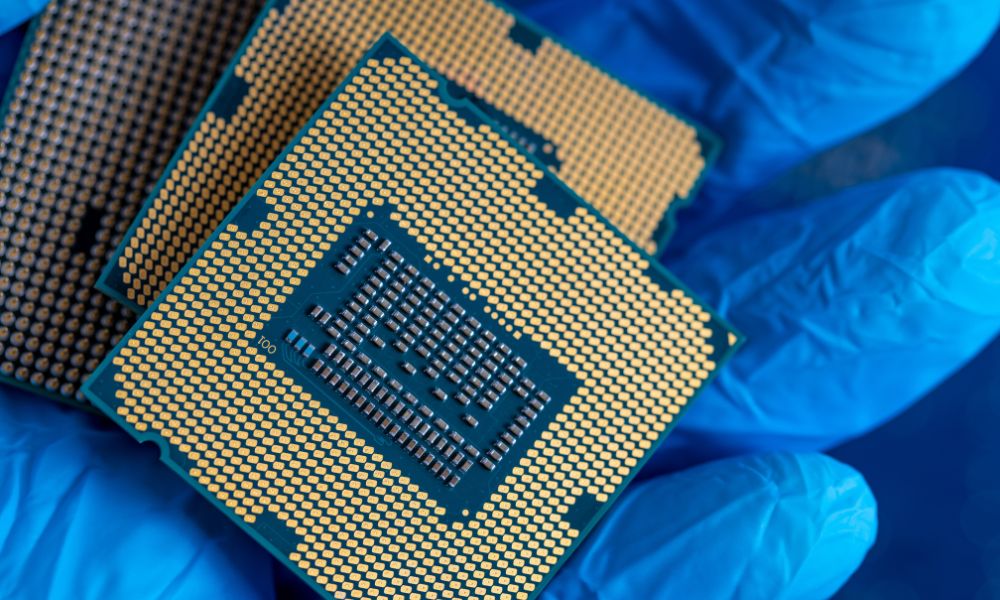
While the Panasonic facility is at least operational, eastern Kansas’ semiconductor ambitions remain far less certain. A proposed $1.9 billion chip manufacturing project near Burlington in Coffey County was announced with expectations of more than 1,000 jobs and a new industrial anchor for the region.
To date, however, there has been little visible large-scale construction, and the project’s future appears closely tied to federal support through the CHIPS and Science Act.
When CHIPS passed in 2022, it was promoted as a way to rebuild domestic semiconductor manufacturing and reduce reliance on overseas supply chains. The Kansas Department of Commerce said at the time that Kansas was “well positioned to compete” for projects tied to the initiative. Communities around the region promoted housing projects – there just wasn’t enough available housing in Coffey County to put a roof over all those heads, local developers were told.
In May of last year, the Coffey County plant was denied CHIPS funding. Officials were given no explanation other than that federal priorities had “shifted.”
What was known was that companies pursuing the projects must navigate lengthy application processes, meet strict requirements related to supply chains and workforce development, and commit significant private capital before federal funds are finalized. National reporting has shown many projects remain in early stages or awaiting final funding decisions years after their announcement.
Kansas has seen similar delays. Without finalized federal support, the Coffey County project has struggled to move from announcement to construction, and much of the state’s semiconductor activity has instead shifted toward smaller-scale assembly and testing operations, particularly in the Wichita area.
Taken together, the Panasonic plant and the stalled semiconductor push illustrate the gap between economic development announcements and real-world outcomes. Initial projections emphasized rapid job creation and near-term transformation. In practice, projects of this scale unfold over years, shaped by global markets, federal policy and the complexities of building advanced manufacturing facilities.
The Panasonic plant continues to hire and expand, and state officials maintain that the long-term payoff could be substantial. But that outcome depends on factors largely outside Kansas’ control, including the pace of EV adoption and the stability of federal incentives.
For communities across eastern Kansas the takeaway is increasingly clear. The pot at the end of the rainbow still isn’t quite within reach.