
www.picryl.com photo
Let’s get something straight: paying $1 more a gallon for gas is a pretty cheap price to pay to keep the murderous mullahs of Iran from lobbing nuclear weapons around the globe.
It’s a pretty cheap price to pay to neuter the regime that might blow up the airport your family’s plane lands at when you take that once-in-a-lifetime European vacation.
So America, suck it up and start acting like some things matter more than your convenience.
Ask your grandparents about sacrificing to halt tyranny. During World War II, Americans didn’t complain about gas prices—they didn’t have the luxury. They were told how much gas they were allowed to buy. End of story.
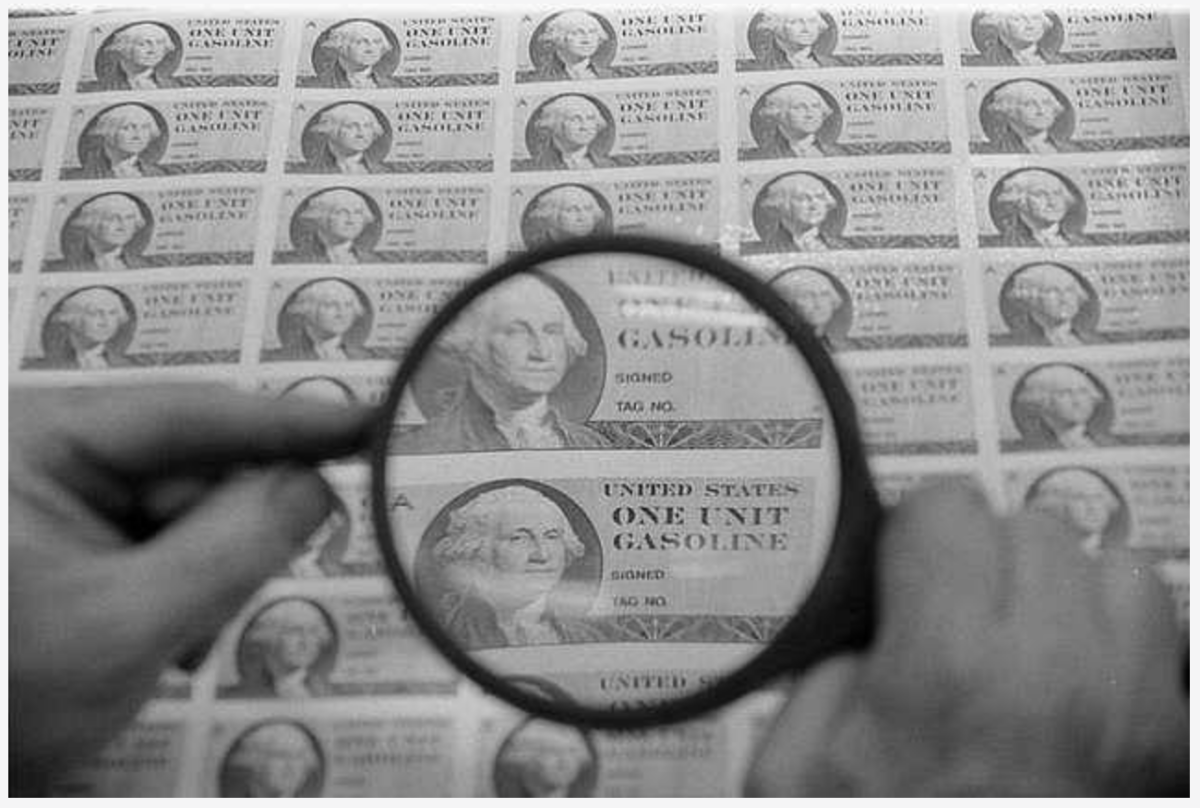
Most civilians were limited to roughly three gallons of gasoline per week under federal rationing, a restriction that sharply curtailed driving for any purpose. That wasn’t discomfort from high prices; it was a government-enforced ceiling on daily life. You didn’t drive for convenience. You drove only if it mattered. And gasoline was just the beginning.
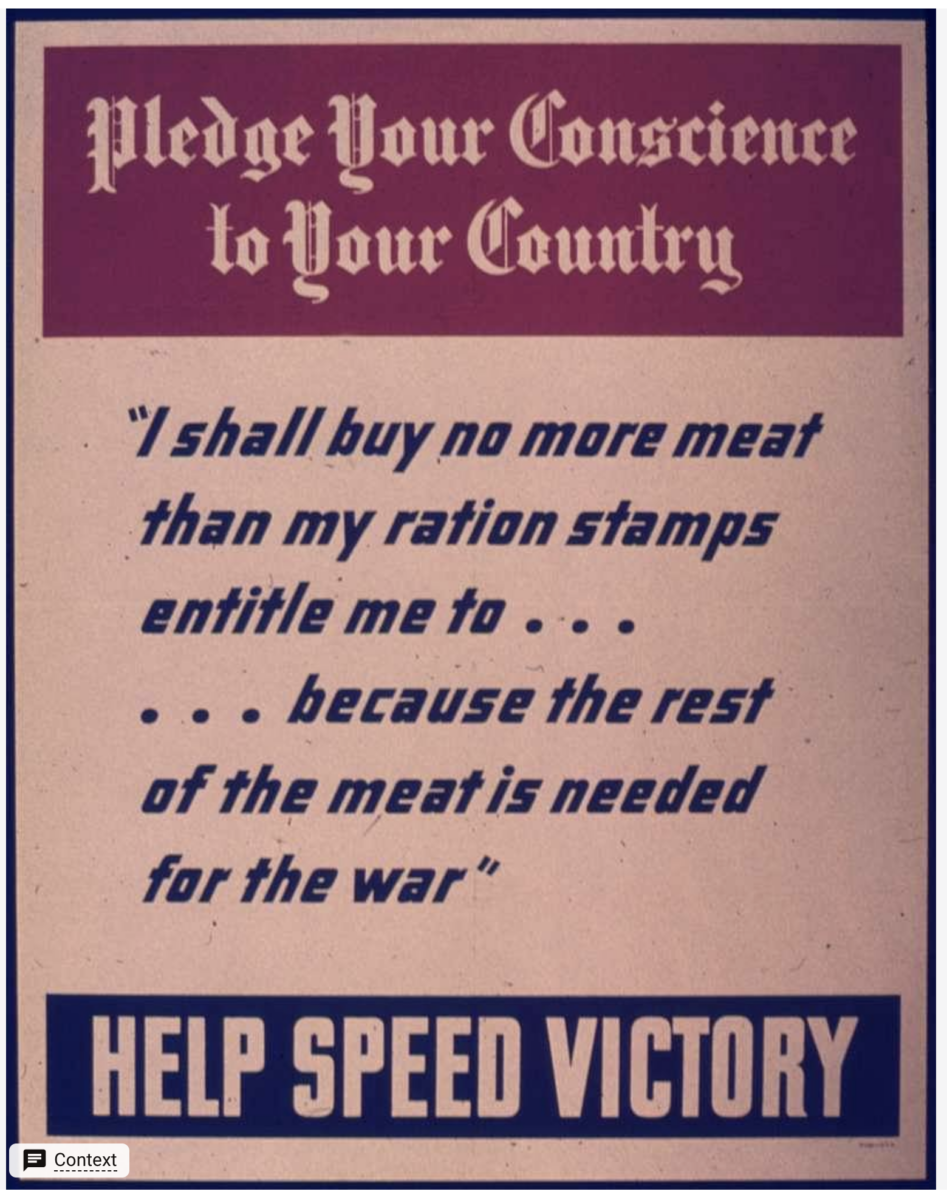
Families lived by ration books. Sugar, meat, coffee, shoes, fuel oil—everything from food to clothing was controlled. If you ran out of stamps, you didn’t pay more—you simply went without. Americans planted victory gardens, canned their own food, reused materials, and watched entire industries stop producing consumer goods so factories could build tanks and bombers instead.
There were no new cars. No appliances. No abundance. There was sacrifice.
And the public largely accepted it because the stakes were unmistakable: stopping global tyranny was something almost everyone could buy into—defeating regimes that threatened not just American interests, but the very structure of the free world.
Think it’s so different now? Put your phone down or turn off Netflix and look around. Today, the stakes of preventing a known terrorist-sponsoring regime from acquiring nuclear capability are eerily similar, but the burden placed on Americans isn’t even in the same universe.
There are no ration books. No three-gallon-a-week limit. No one is banning your next vehicle purchase or telling you to turn in your old toothpaste tube to get a new one. You can still drive as far as you want—you’ll just pay more to do it.
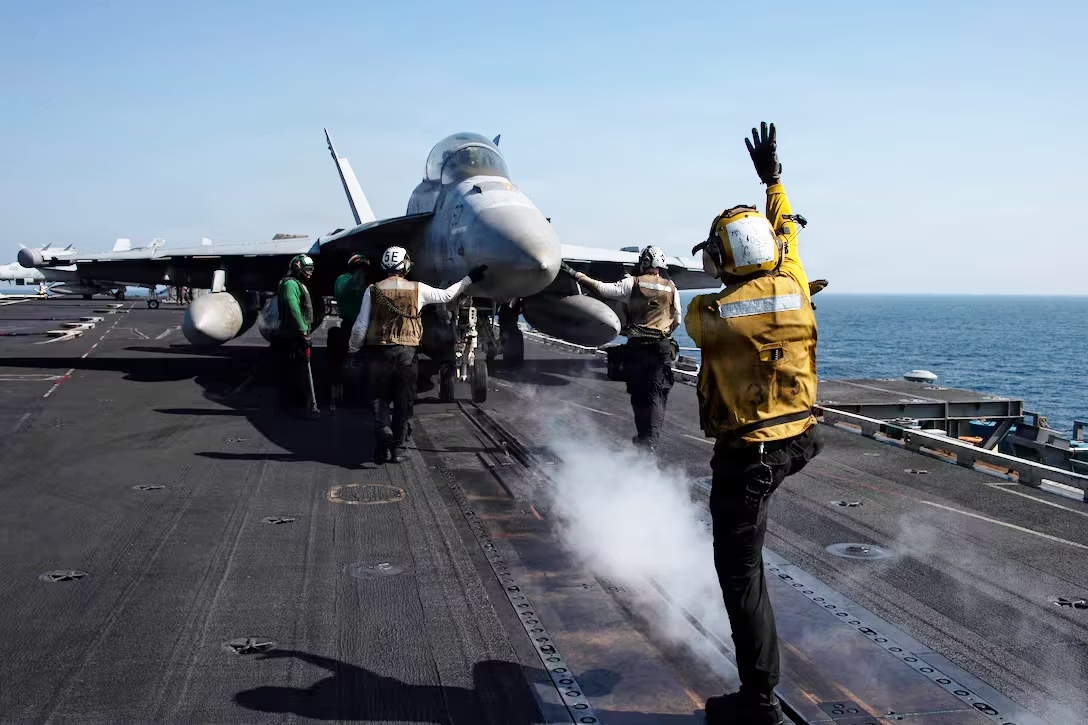
Unless you have loved ones in the war zone, you aren’t sacrificing. You’re being temporarily inconvenienced. But to listen to the tone of the debate and the wailing of the Trump-haters, you’d think half the country is being asked to give up a kidney.
There’s deeper issue here than gasoline. World War II demanded a shared national purpose. People understood that individual comfort was secondary to collective security. They gave us a luxurious lifestyle and the opportunity to grow into a bunch of thin-skinned pansies.
Of course higher gas prices hurt, especially for lower earners driving to work every day in rural areas where jobs and grocery stores are so spread out. But hardship is not the same thing as sacrifice. It certainly isn’t comparable to a generation that accepted rationing, shortages, and government controls as the price of confronting existential threats. And the discomfort you’re experiencing is most certainly saving American and other lives in the future—maybe millions of them.
If a nation that once endured ration books and scarcity can’t tolerate higher fuel prices for a while, it raises a harder question: just how selfish have we really become?