


A nationally known evangelical theologian with Kansas roots has issued a blistering condemnation of Democratic U.S. Senate candidate Adam Hamilton in his embittered campaign against incumbent Roger Marshall, accusing the prominent Methodist pastor of abandoning historic Christian teachings, helping divide his denomination and misleading Kansas voters about his political beliefs.
The letter form Dr. Jim Garlow, former California megachurch pastor and Kansas native, gained wide circulation on social media this week, expanding an already-known obstacle to Hamilton’s embattled campaign and adding to blowback on the Leawood pastor’s previous comments shaming church members for eating beef, an alleged coverup of a pedophile working at an affiliated church camp, and pressing an unfounded campaign ad about Marshall’s efforts to collect delinquent bills for his medical practice.
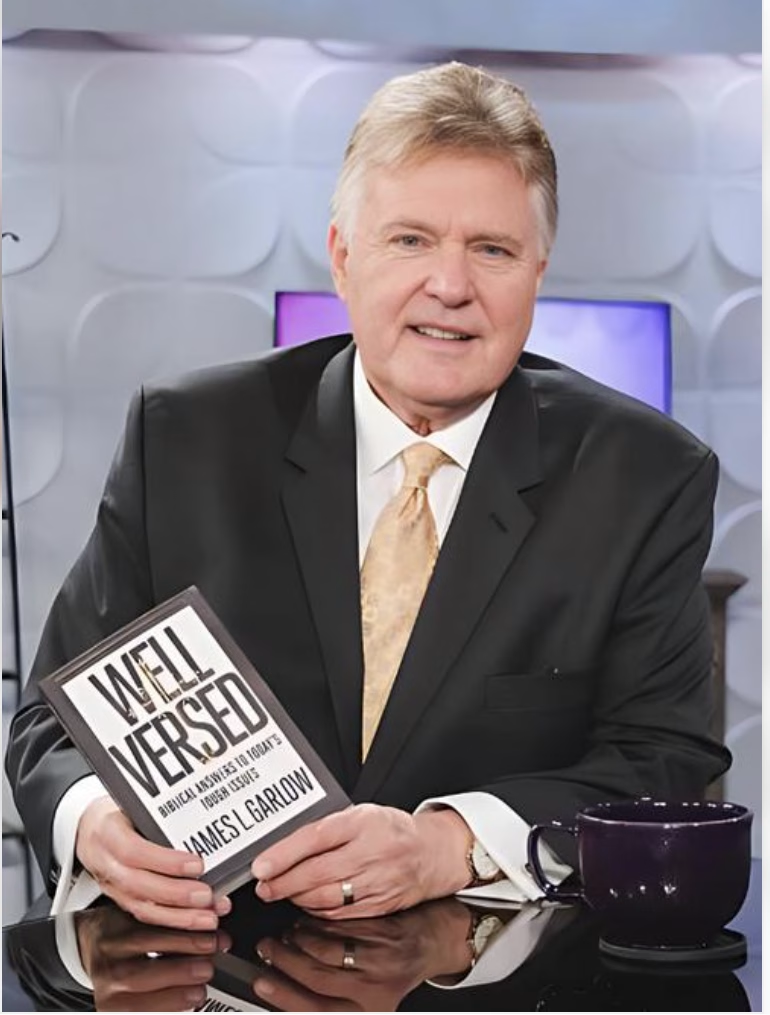
Garlow, founder of the Christian ministry Well Versed, called Hamilton a “false prophet” in a lengthy public letter addressing the candidate’s positions on abortion, homosexuality, biblical authority and salvation. Although Hamilton portrays himself as a political moderate capable of bringing Democrats and Republicans together, Garlow argues that his decades of religious leadership tell a different story.
“In spite of claims of being ‘the great uniter,’ he is the epitome of ‘the great divider,'” Garlow wrote. “Remember that each time he deceptively claims to lead from ‘the middle.'”
Garlow, who earned a doctorate in historical theology from Drew University, said his particular concern involves Hamilton’s influence on the United Methodist Church, which experienced a historic division over same-sex marriage and the ordination of LGBTQ clergy.
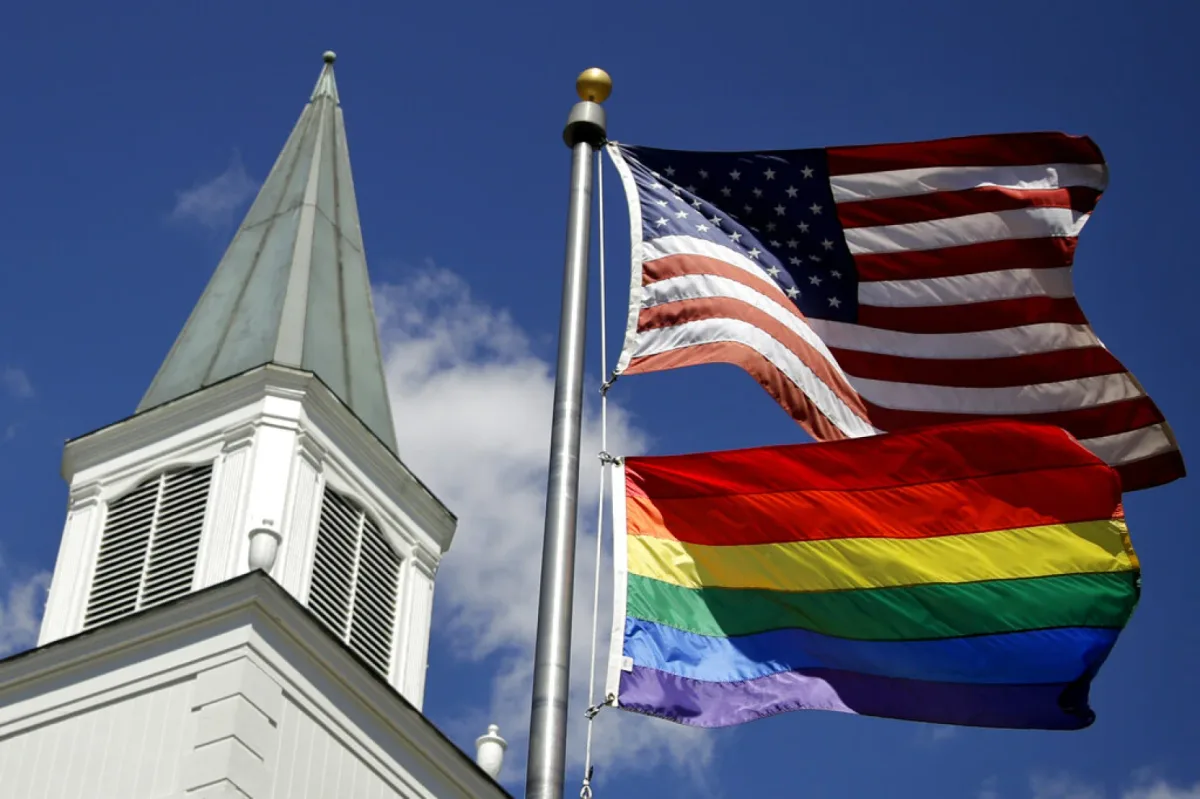
More than 7,600 American congregations departed the denomination through a special disaffiliation process, representing approximately one-quarter of its U.S. churches.
Garlow places substantial responsibility for that division on Hamilton, who supported changing the denomination’s traditional positions on human sexuality.
“Hamilton was instrumental, a key leader, in creating the situation in which over 7,600 congregations left the denomination,” Garlow wrote. “Think of that. Not 7,600 persons. But rather, 7,600 local churches or congregations.”
Hamilton advocated greater acceptance of LGBTQ members and clergy, but supported proposals intended to keep differing theological factions within the same denomination and allow individual congregations greater discretion. Those compromise efforts were unsuccessful.
Garlow argues that the conflict had devastating consequences for traditionalist congregations, some of which were required to make substantial payments to retain their church properties when leaving the denomination.
“Congregations had to buy (technically ‘re-buy’) their buildings, after they had already paid for them!” Garlow wrote.
The financial arrangements were part of the United Methodist Church’s disaffiliation process, which established conditions for departing congregations. The requirements varied among regional conferences.
For Garlow, the controversy raises questions about Hamilton’s campaign promise to bring people together.
“He led from the left,” Garlow wrote, arguing that Hamilton’s description of himself as a moderate disguises his theological and political liberalism.
The disagreement extends to abortion.
Hamilton has publicly acknowledged supporting abortion rights and voting against Kansas’ proposed Value Them Both constitutional amendment in 2022, which would have allowed the Legislature greater authority to restrict abortion.
Hamilton has said he believes the issue involves difficult moral questions and that government officials should not impose their personal religious judgments on women facing such decisions.
Garlow rejects that position, arguing that the protection of unborn children is a fundamental Christian obligation.
“When Hamilton talks about justice and compassion, ask him about Kansas’ murdered babies, by the barbaric and gruesome act of abortion,” Garlow wrote.
He also attacks Hamilton’s understanding of salvation, particularly statements suggesting that people who never professed Christianity might nonetheless receive salvation through Jesus Christ.
Hamilton has described his position as Christian inclusivism, distinguishing it from universalism, the belief that everyone ultimately receives salvation. His campaign has explicitly rejected accusations that he teaches universal salvation.
Nevertheless, Garlow contends that Hamilton’s interpretations depart from historic Christian orthodoxy.
Read full text of Jim Garlow’s letter
“Much (most?) of what Adam Hamilton now believes would have been considered heretical by all the major church councils of the last 2,000 years of church history,” Garlow wrote.
The criticism echoes another challenge from Kansas clergy.
Pastor Kyle Lammott of Exodus Church in Wichita organized an open letter calling on Hamilton to repent of his teachings on abortion, marriage, Scripture and salvation and withdraw from the Senate race.
The petition has attracted hundreds of signatures from pastors and other Christian leaders.
Garlow emphasized the significance of that opposition, writing, “Ponder that for a moment: Six hundred plus pastors, truly Bible believing pastors, calling for another pastor to repent.”
Lammott’s appeal argues that Hamilton’s prominence as a minister gives his political candidacy special significance because voters may associate his religious position with traditional Christian beliefs.
Garlow similarly argues that pastors should be permitted to seek public office but must remain faithful to what he considers historic biblical doctrine.
His letter also sharply criticizes Hamilton’s decision to run as a Democrat, arguing that the party’s positions on abortion, marriage and gender identity conflict with Christian teaching.
Hamilton, meanwhile, has defended his positions as expressions of Christian compassion and has said his campaign emphasizes decency, affordability and respect for people with differing beliefs.
The Democrat has argued that his ministry has required him to serve people across the political spectrum and that his experience can help reduce political division in Washington.
Garlow is unconvinced.
“The issue for me is not partisan,” he wrote. “It is not Republican vs. Democrat. It is not even Right vs. Left. It is Right vs. Wrong.”
The theologian concludes with a warning that Hamilton’s friendly public demeanor should not distract Kansans from examining his beliefs and record.
“Kansas, beware,” Garlow wrote. “Do not let a false prophet represent you in Washington, DC.”