

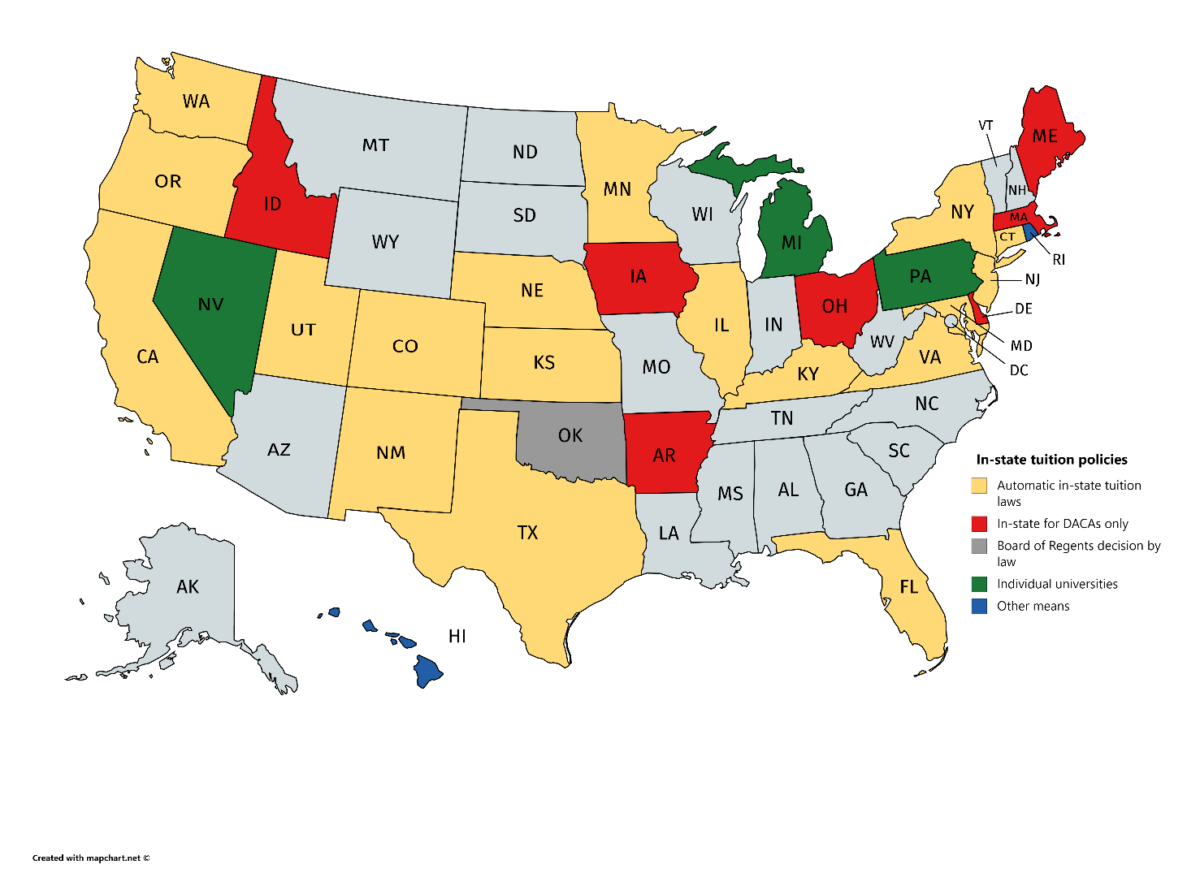
Federation for Fair Immigration Reform graphic
TOPEKA — Kansas Attorney General Kris Kobach has issued a formal legal opinion concluding that a long-standing Kansas statute allowing certain undocumented students to receive in-state college tuition violates federal law, warning lawmakers the state could face a federal lawsuit if the law is not changed.
In an opinion released Feb. 10, Kobach said K.S.A. 76-731a conflicts with federal immigration statutes enacted in 1996 that prohibit states from granting postsecondary education benefits to individuals “not lawfully present” based on residency unless the same benefit is made available to U.S. citizens regardless of where they live. The opinion was requested by Rep. Samantha M. Poetter Parshall.
“For more than 20 years, Kansas has been violating federal law with impunity,” Kobach said, pointing to a recent enforcement push by the U.S. Department of Justice. “Kansas legislators would do well to bring Kansas into compliance with the law rather than being sued by the federal government.”

The Kansas law allows some undocumented students to qualify for in-state tuition if they graduated from a Kansas high school and meet other requirements. Kobach’s opinion argues that, despite how the statute is written, it effectively grants a residency-based benefit because out-of-state U.S. citizens are still charged higher tuition rates. Under 8 U.S.C. § 1623, states may not provide such benefits unless they are offered to U.S. citizens without regard to residency, according to the opinion.
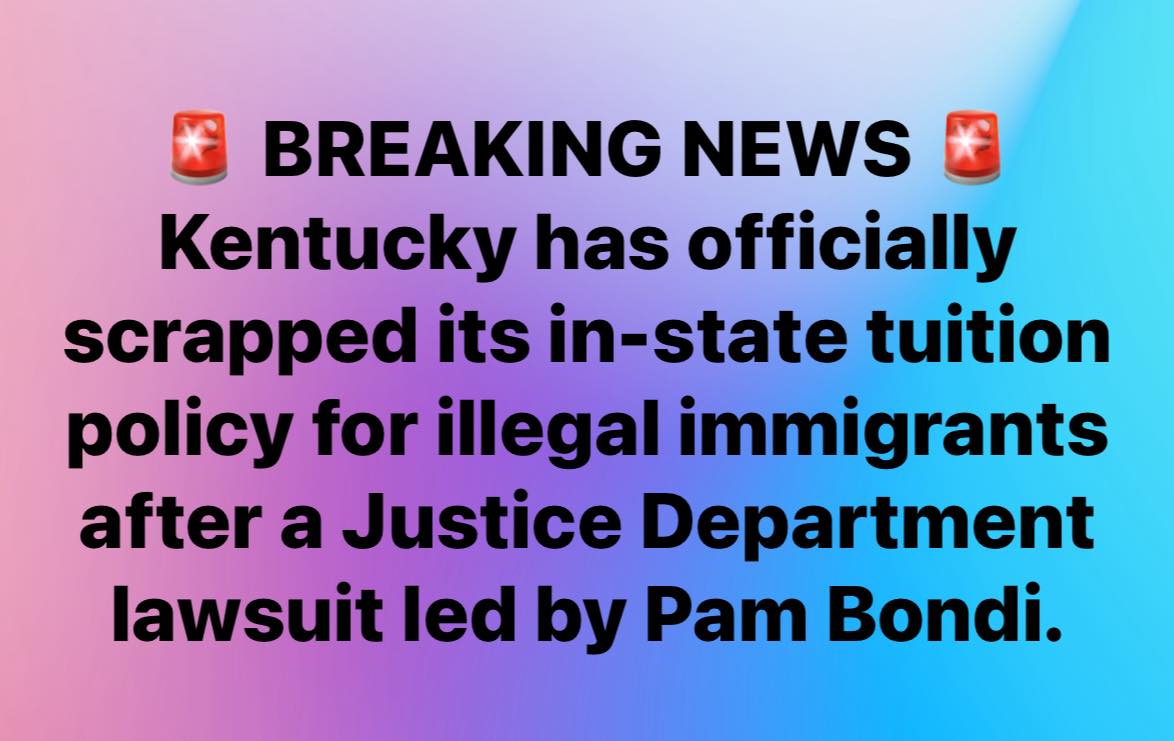
Kobach’s warning comes as the U.S. Department of Justice has ramped up legal challenges to similar laws nationwide. Beginning in 2025, DOJ filed lawsuits against Texas, Oklahoma, Minnesota, Illinois, California, Virginia, and Kentucky, arguing that their in-state tuition policies unlawfully favor undocumented students over U.S. citizens who live out of state. DOJ has already reached court-approved settlements or injunctions ending the practice in Texas and Oklahoma, according to federal court filings and DOJ announcements.
Conservative legal and policy groups have advanced the same argument for years. The Heritage Foundation has written that the 1996 federal statute was explicitly intended to block states from offering in-state tuition to undocumented immigrants unless the benefit is equally available to U.S. citizens nationwide. Conservative commentators at National Review and other outlets have likewise framed the issue as one of statutory compliance, not education policy preferences.
Supporters of in-state tuition laws counter that many states structured their programs around high-school attendance rather than formal residency to comply with federal law, and they argue that Congress left room for states to affirmatively extend certain benefits after 1996. Whether these laws are truly “residency-based” is now being tested in court as the DOJ cases proceed.
An attorney general opinion does not carry the force of a court ruling, but it can influence how state agencies and lawmakers respond. Kobach’s opinion urges the Kansas Legislature to revise or repeal K.S.A. 76-731a to avoid becoming the next target of federal litigation.