

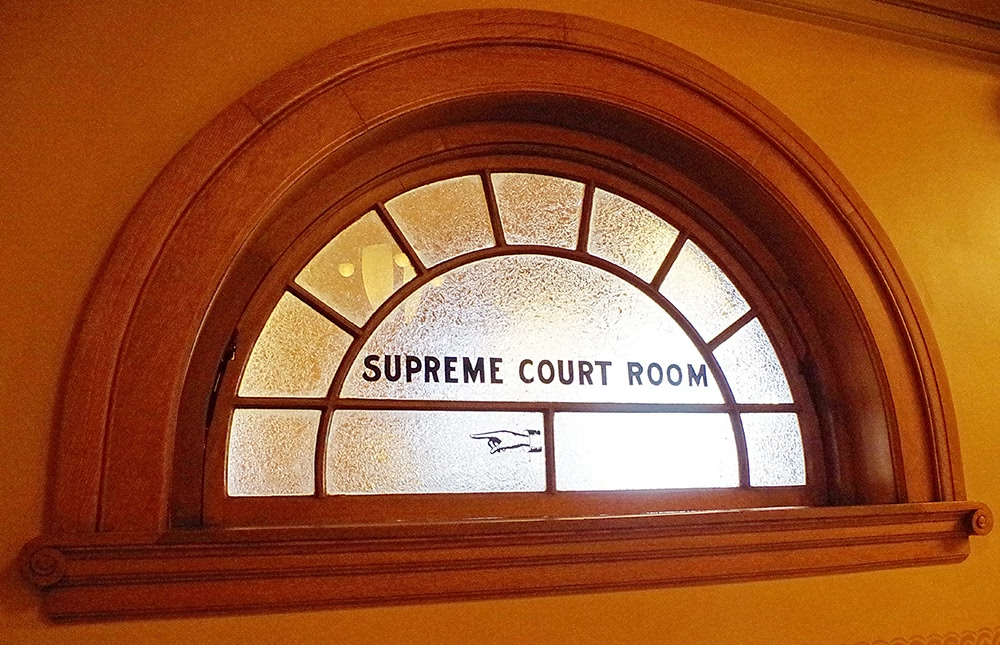
On August 4, Kansans will have the opportunity to vote on a constitutional amendment that asks a simple question: Who gets to choose the Justices who sit on our state’s highest court? Should that authority rest with the people of Kansas or should it be controlled by a small group of lawyers?
For most of our state’s history, the answer was straightforward: everyday Kansans.
This all changed after a political scandal infamously known as “The Triple Play”, where a 1950’s Governor after losing his primary and desperate to hold on to power, stepped down as Governor so his Lieutenant Governor could then appoint him to fill a recent vacancy on the Supreme Court. While this scandal had nothing to do with electing Justices, the background deal stoked a severe backlash launching Kansas on the path to the over-complicated system in place today.
What’s ironic is that the reforms meant to address the Triple Play only made matters worse. Quite frankly the Triple Play was a “Governor appointment scandal” and the response, instead of shining more light on the process, only drove it further behind closed doors.
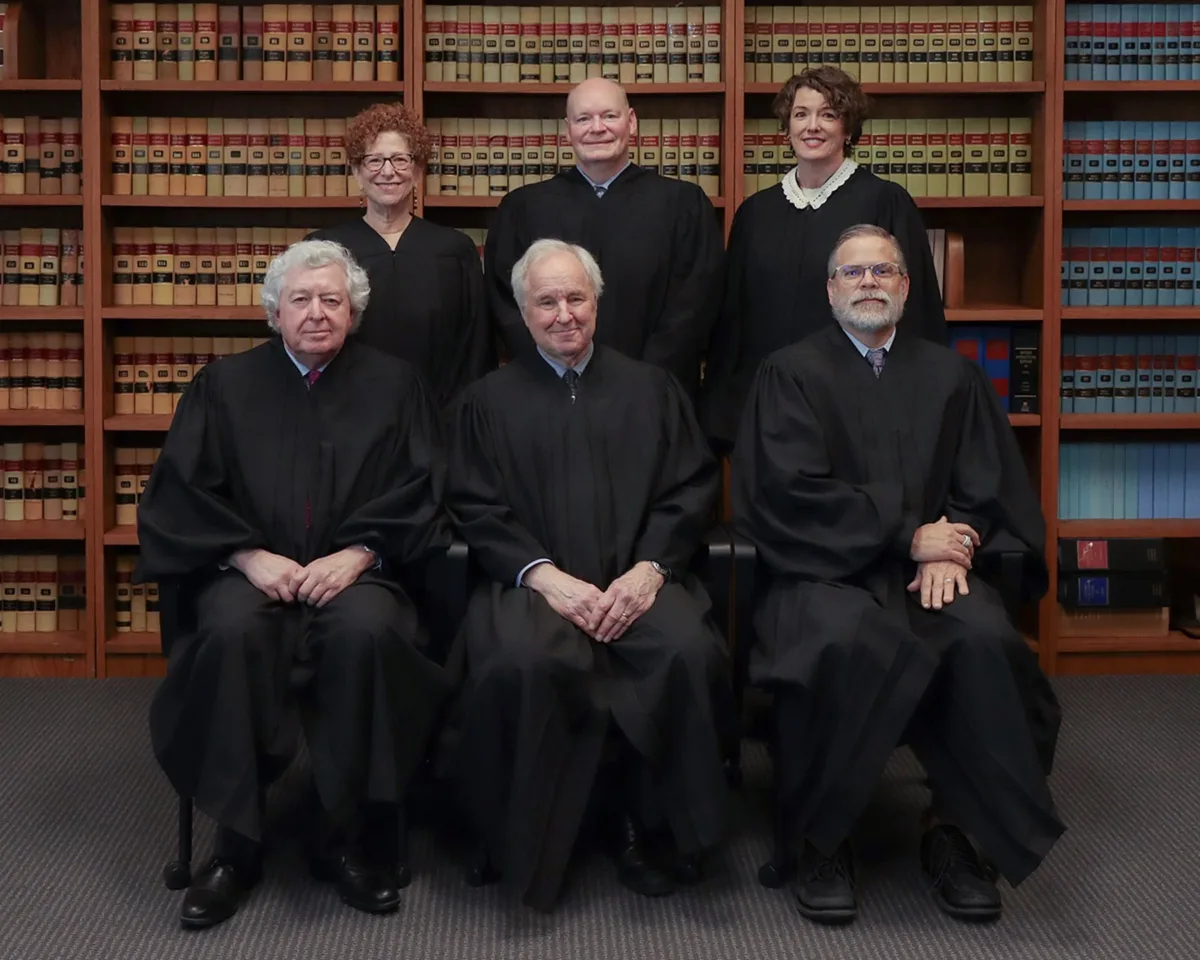
Kansas now has a system unlike any other state where a small, opaque “Nominating Commission” made up of five members selected by lawyers and four selected by the Governor, nominate three finalists for the Governor to choose from. The process does nothing to eliminate politics and backroom deals from the selection of justices. In fact, the complex process is less transparent and more ripe for insider politics than before.
Some folks call what we have today a “merit selection” system, but merit according to who? Based on their recent actions, the only “merit” the commission seems concerned with is advancing a radical ideological viewpoint at odds with the people of Kansas. Which makes more sense when you learn who is leading the “picking”. Attorneys as a whole lean further to the political left than the majority of Kansans, yet they hold the majority vote on who advances to the Governor for appointment. This “merit selection” system has given Kansas a Supreme Court that reflects the legal elite and just happens to be one of the most frequently overturned high courts in the country. Yet, once selected, these Justices go on to serve on our State’s highest court for decades. The system is broken.
A good example of how broken the system truly is happens to be playing out right now. The Nominating Commission recently advanced a Douglas County District Judge as one of three finalists for the Kansas Supreme Court. This same judge recently blocked the Help Not Harm Act, saying the Kansas Constitution gives parents the right to force their child to undergo irreversible, gender-transition treatments. This radical, politically charged decision is at odds with not only the views of a majority of everyday Kansans, but an ever-growing number of doctors all over the world. Yet now, the attorney colleagues of this judge have placed him on the shortlist of potential Supreme Court Justices.
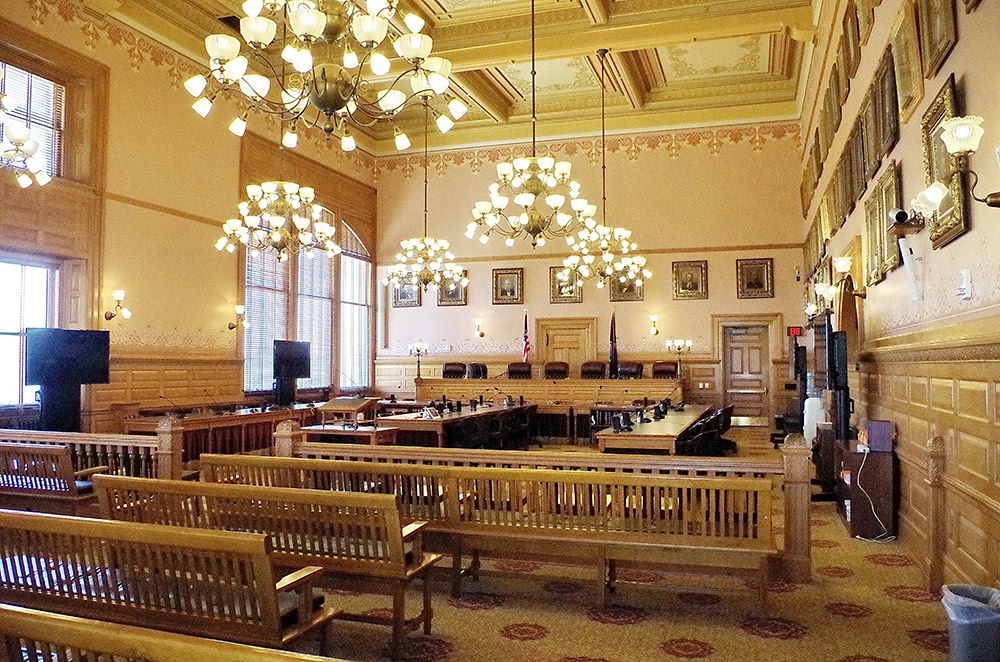
But this isn’t the first time this judge’s qualifications for higher judicial office have been called into question. Twice, Governor Laura Kelly nominated him to the Kansas Court of Appeals. And twice the Kansas Senate rejected those nominations for his judicial record. Twice, it was determined this judge is too out of step with Kansans. Yet, the nominating commission has determined he is one of the three most qualified candidates to serve on the Kansas Supreme Court. Talk about failing up!
Current system advocates say elections would politicize the process, but politics are already there. You just aren’t the voters they need to cater to. Currently, judges “campaign” to impress a shadowy group of liberal lawyers in hopes of getting selected to the highest court in the state. I’ve also heard them say that ordinary citizens cannot be trusted to select judges. We are told that lawyers, insiders, and unelected commissions know better. Personally, I think that sounds like a bunch of bologna fed to us by those who want to maintain power within the current system.
At the end of the day, this isn’t about any one judge. It’s not about any one case. It is about whether power ultimately belongs with the people or to an unelected commission of the very lawyers who will be practicing before the same court they’re creating. Support for the ballot amendment this August shines a light on the process, helps correct a broken system, and gives Kansans a voice. I urge each of you to join me in voting yes.