
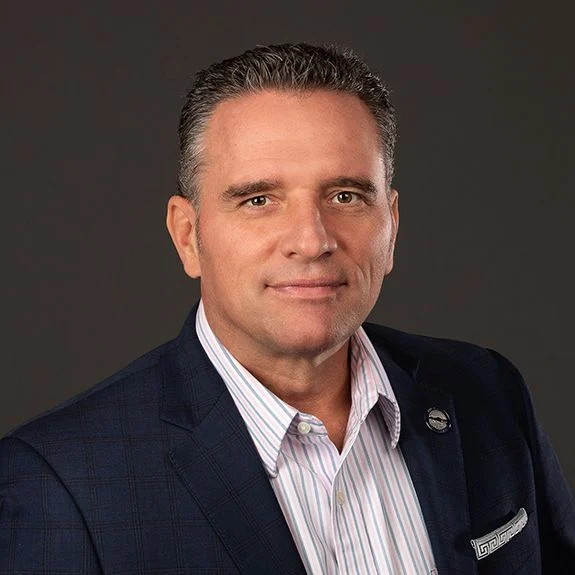
TOPEKA — Despite months of attack press from Kansas’ mainstream media aimed at Republican Governor candidate Ty Masterson, polling continues to show the Republican with a solid lead coming into the last 30 days before the November election.
That dynamic suggests a declining influence of mainstream press in Kansas, and a Democrat political platform generally out of step with the majority of Kansas voters.
The three most recent public polls have all shown Masterson ahead of Democratic state Sen. Cindy Holscher — a result suggesting voters may be looking beyond the targeted attacks on Masterson and instead assessing Holscher’s voting record and governmental priorities in a state that carried Donald Trump in three elections.
The newest survey, conducted Sept. 22-24 by the fledgling Wedgewood Polls among 500 likely voters, placed Masterson at 52% and Holscher at 48%. An Emerson College/Nexstar poll conducted Sept. 15-16 had Masterson ahead 51%-44%, while a co/efficient survey earlier in September measured the race at 51%-43%. An August Global Strategy Group poll had shown Holscher narrowly ahead, 47%-46%.
The polling database Political Betting currently labels Wedgewood “unverified.” It shows the firm’s first recorded poll only in July 2026, with 12 race surveys through Sept. 24. No sponsor was listed for the recent Kansas poll, meaning its unknown who commissioned and paid for the poll. The poll also contained no reporting on undecided or third party voters.
The results are notable, particularly due to the negativity with which Kansas media has received Masterson’s nomination. A former Wichita-area home builder and small businessman, Masterson drew fire from the Kansas City Star in a series of articles attempting to cast suspicion on his job as director of GoCreate, part of WSU’s Innovation campus, described as an 18,000-square-foot “creative community workspace” where students, entrepreneurs, hobbyists and members of the public can use industrial-grade equipment and receive training to turn ideas into physical products or prototypes. The Star criticized Masterson because staffers said he wasn’t onsite at the job every day and because GoCreate is funded by a grant from longtime conservative political supporters Koch Industries and the Fred and Mary Koch Foundation. Both Masterson and WSU have debunked the Star’s criticism, noting many such management positions are primarily remote positions.
Other media have attempted to disparage Masterson for his chairmanship of the Senate Ways & Means Committee during the era of Governor Sam Brownback’s tax cuts in 2012, a move often criticized by media for reducing state revenue. Those criticisms however rarely note the subsequent $2 billion net tax reduction to working Kansans; a precursor to what would be a $16 billion increase in state GDP over the next five years, the addition of 46,000 more jobs and real personal income for Kansas workers that increased from $147.4 billion to $154.7 billion – some 4.9 percent. Those increases occurred despite significant downturns in Kansas’ oil and natural gas sectors.
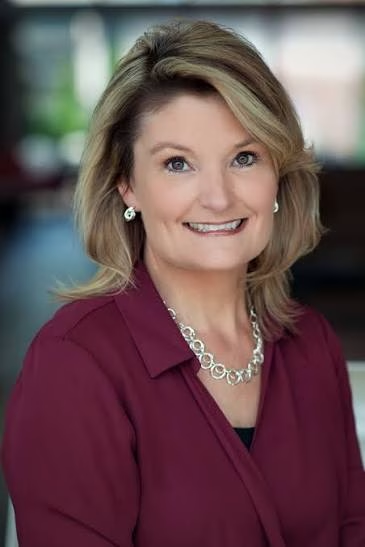
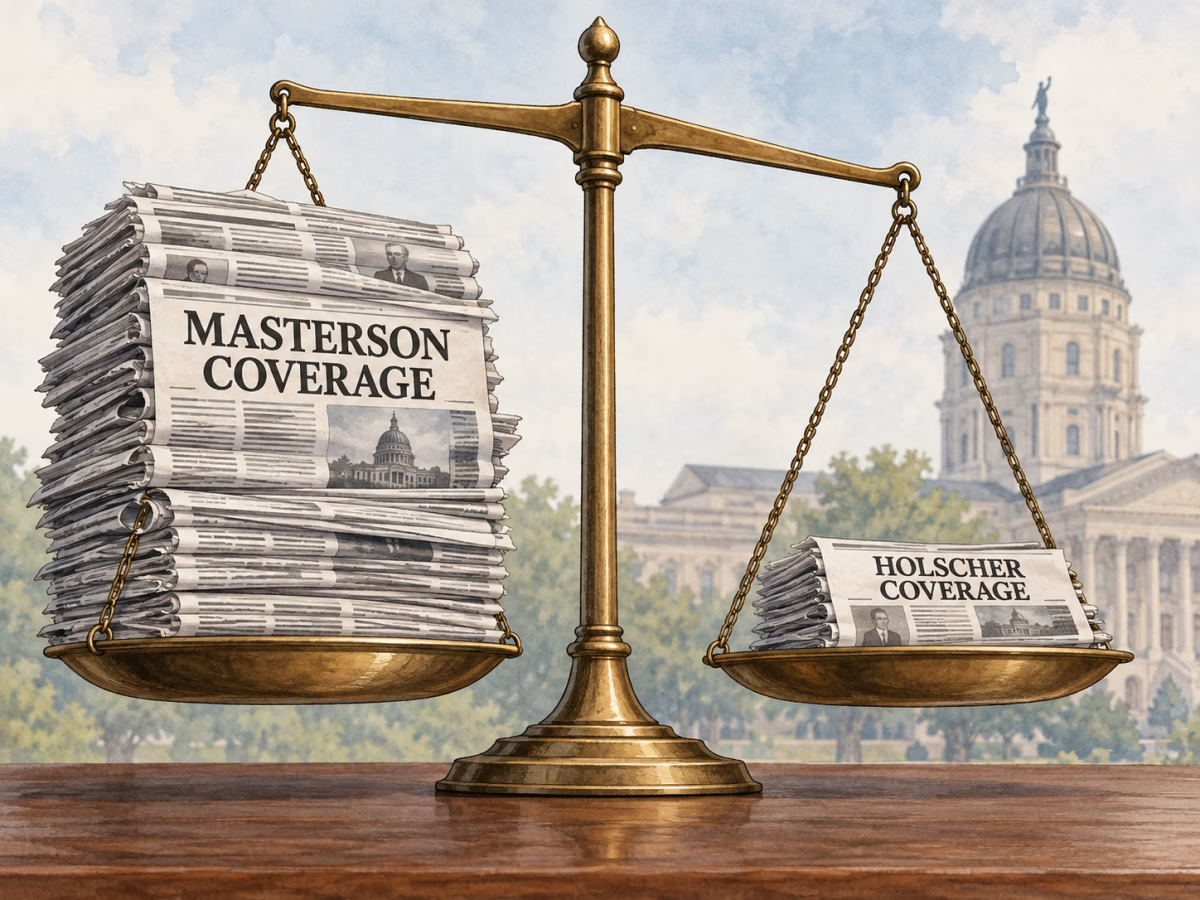
Though Kansas press has heaped criticism on Masterson, its treatment of Holscher’s voting record has been far more guarded. A review of published stories since the primary shows media presentation of Holscher’s voting record mainly from the standpoint of her various defenses against the Masterson campaign’s revelations, instead of a straight review of her votes from the legislative record.
Holscher’s consistent trailing in all but a single initial poll may reflect voters’ hesitance as they’ve become aware of those policy positions. She has supported continuing sex changes for minors – something Kansans oppose according to polling. She opposed banning biological men from women’s sports, locker rooms and private areas – supported by 67 percent of Kansans. She opposed Kansas support to border security measures for southern border states and sponsored a bill banning Kansas law officers from wearing facial coverings to protect against harassment from protestors, and voted against local law enforcement supporting ICE efforts. She made numerous votes opposing property tax relief, including a 3% annual property tax cap and revenue neutral notification and hearing requirements for local governments.
Perhaps the toughest indictment of Holscher however came from Democrat Governor Laura Kelly when Kelly supported state senator Ethan Corson against Holscher in the primary. Kelly opined to the New York Times Kansas would not elect a far left, “extremist” candidate, broadly understood as a characterization of Holscher – but later reversed herself and endorsed Holscher after her primary win.
An online search of major Kansas media by the Informer found no mention of that exchange since the primary.
Those failed punches against Masterson by Kansas’ mainstream press outlets may also reflect nationwide audience trends. In the 1970s, roughly 68–72% of Americans said they trusted newspapers, television and radio to report news fully, accurately and fairly. By 2025, that figure had fallen to 28%, the lowest Gallup had ever recorded. The Reuters Institute’s 2025 Digital News Report found that in the United States 54% of respondents had accessed news through social-media and video networks in the previous week. That exceeded both television news at 50% and news websites/apps at 48% for the first time in its survey.
Masterson gained President Trump’s endorsement during the leadup to the primary election. The President won Kansas by 56-57 percent in each of his three elections.