

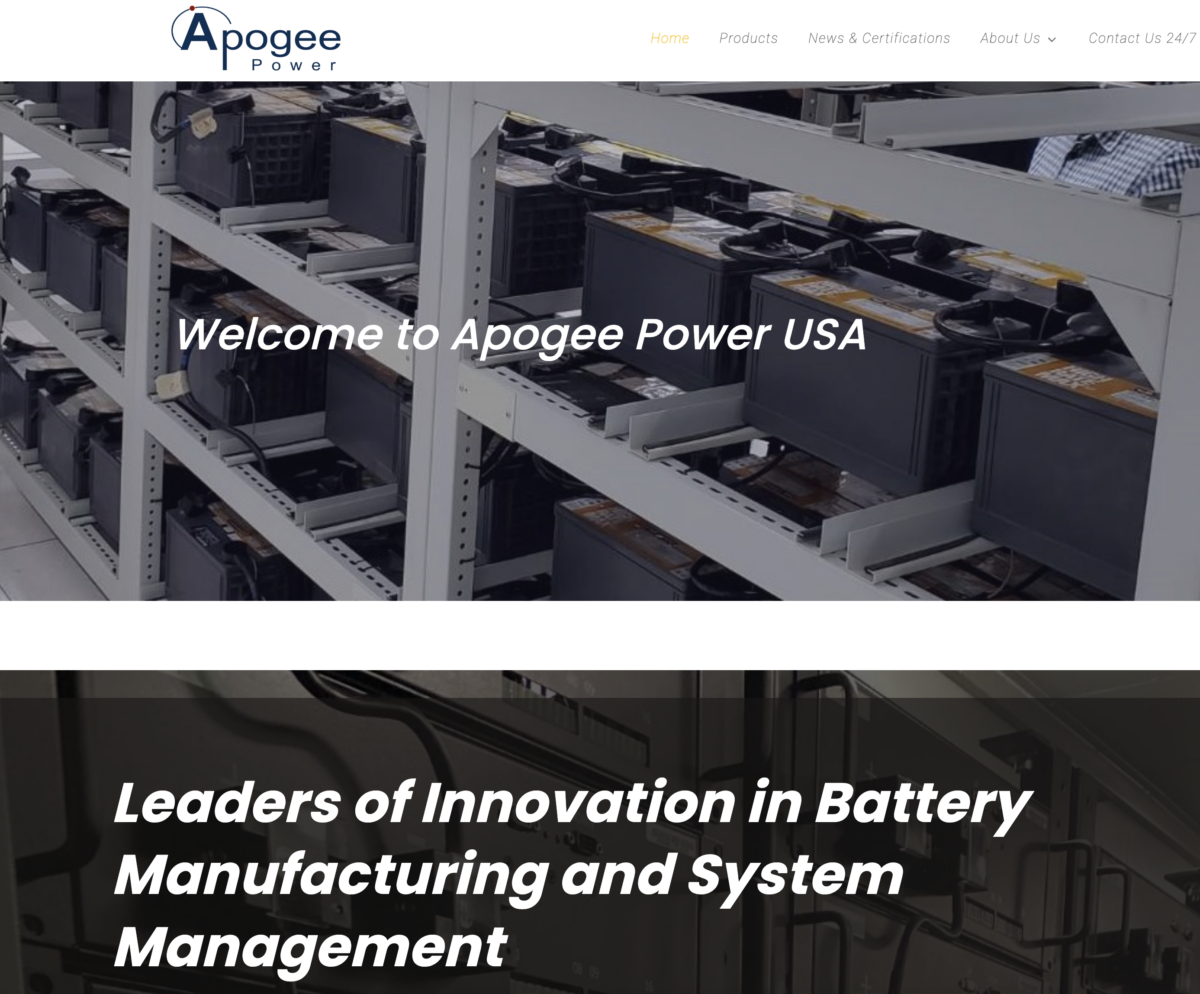
LIBERAL — A Taiwan-based battery manufacturer is planting its first U.S. flag in southwest Kansas, betting on a segment of the energy market that continues to grow even as electric vehicle sales show signs of cooling.
The Kansas Department of Commerce announced that Apogee Power will invest nearly $16 million over the next three to five years to establish a manufacturing and assembly facility in Liberal, creating 80 jobs. The plant is expected to begin operations this summer, with about 30 employees hired in the initial phase.
State officials framed the project as another win for Kansas’ emerging battery and energy sector.
“In Kansas, we have a strong advanced battery ecosystem, talented workforce and central location that companies from around the world are eagerly looking to access,” Lieutenant Governor and Commerce Secretary David Toland said in the release.

Not a “gigafactory,” but a strategic foothold
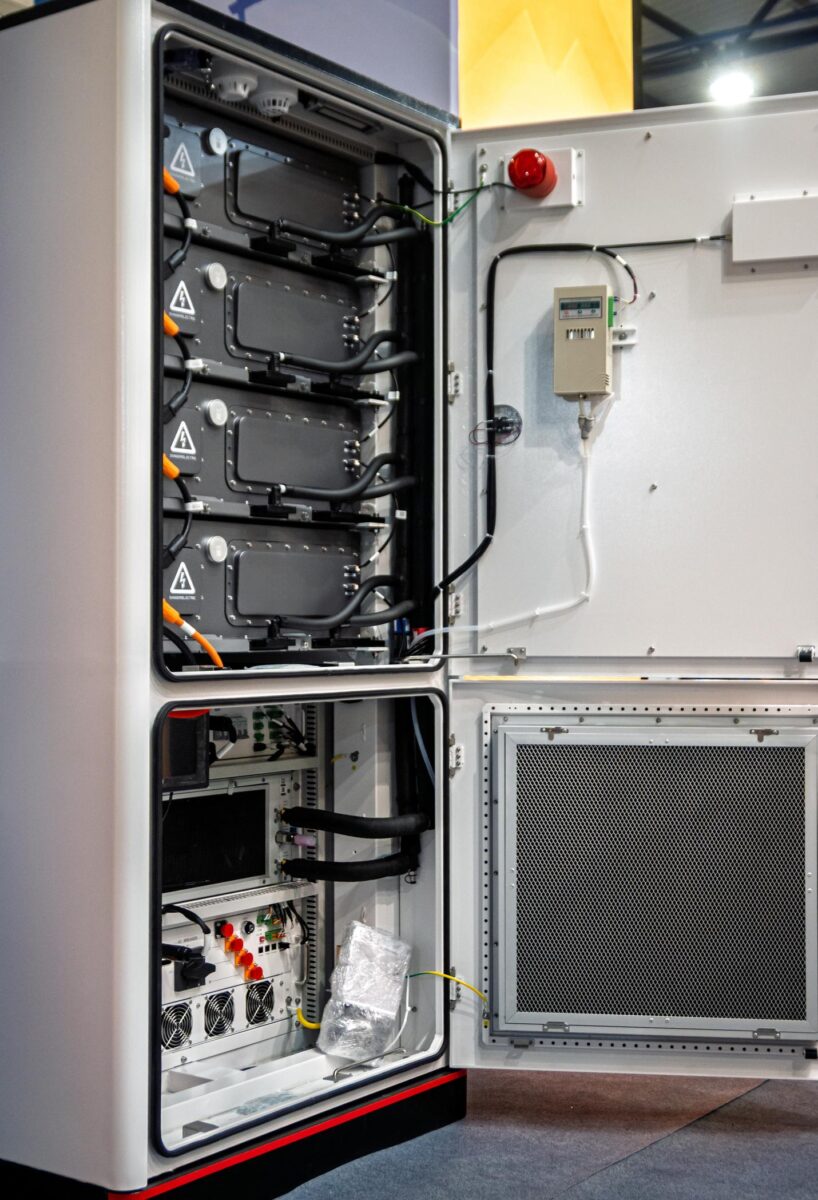
While billed as a manufacturing facility, the Liberal site is expected to function primarily as an assembly, testing and distribution hub for lithium iron phosphate (LFP) battery systems—rather than a large-scale cell production plant.
With a relatively modest capital investment, the project reflects a broader trend of mid-sized international firms establishing U.S.-based assembly operations to serve domestic customers and position themselves within federal incentive structures.
Company officials said the move is part of a broader global strategy.
“Establishing a U.S. manufacturing footprint is a critical step in Apogee’s global growth strategy,” CEO Wen Lin said. “Liberal offers the infrastructure, workforce and community partnership we were looking for.”
Betting on grid storage—not just EVs
Apogee’s focus may also insulate it from turbulence affecting the electric vehicle market.
The company specializes in lithium iron phosphate batteries, which are increasingly used in commercial, industrial and grid-scale energy storage systems—a segment that is expanding even as EV growth moderates.
The International Energy Agency has reported that battery demand is shifting, noting that “grid-scale battery storage is one of the fastest-growing energy technologies,” driven by the need to balance renewable power sources like wind and solar.
At the same time, broader EV market momentum has softened. Reporting from Reuters has noted that automakers are “scaling back electric vehicle production targets as demand growth slows,” while Bloomberg has reported that “sales are still rising, but at a slower pace than previously forecast,” prompting companies to reassess timelines and investments.
That combination is reshaping where battery demand is strongest.
Kansas positioning for the next phase
For Kansas, the Apogee project represents more than a single facility—it reflects a broader economic development strategy tied to energy infrastructure and manufacturing.
The Liberal site, located in the city’s industrial corridor, is intended to support distribution across the United States, with company leaders also signaling interest in recruiting additional suppliers from Taiwan to the region.
Local officials said the project underscores the appeal of smaller, rural markets.
“This investment builds on our region’s strengths in energy, logistics and advanced manufacturing,” Seward County Development Corporation Executive Director Eli Svaty said. “It also signals that global technology companies see value in smaller, execution-focused communities.”
A shifting battery economy
Even as headlines focus on EV sales fluctuations, analysts say the underlying battery market is evolving rather than contracting. Federal policy, including incentives tied to the Inflation Reduction Act, continues to encourage domestic production and supply chain development. Meanwhile, utilities and large energy users are increasingly investing in storage to manage reliability and integrate renewable generation.
As the International Energy Agency has emphasized, battery deployment tied to electricity grids is accelerating globally, reflecting a growing need to store and dispatch power efficiently.
Apogee’s investment in Liberal fits squarely within that transition.
Rather than relying solely on consumer vehicle demand, the analysts note Apogee is positioning itself in a segment where long-term growth is increasingly tied to how electricity is stored and delivered—not just how it powers cars.